
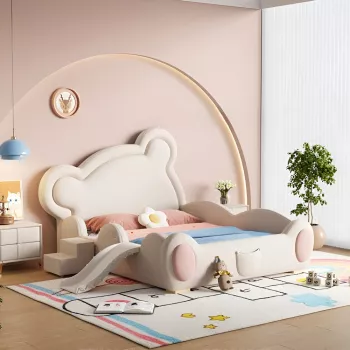

Mix-and-Match Home Décor Ideas for a Cohesive Look

Interior Home Décor Ideas That Feel Cohesive (Even When Your Style Is a Mix)
A home feels pulled together when a few consistent choices show up again and again—your palette, textures, lighting, and a couple of repeatable styling rules. That’s what keeps modern pieces from feeling stark, cozy cottage touches from leaning theme-y, and boho/industrial/eclectic accents from turning into clutter. If you want a guided way to make decisions room by room, the Interior Home Décor Ideas digital download guide and decorating checklist is designed to move from big-picture planning to the finishing details—without overbuying.
Start With a Simple Style Direction (Even if It’s a Blend)
The easiest way to decorate a whole home is to choose a “base style” that drives your large furniture and permanent choices, then use a secondary style as the personality layer. Many homes do best with a modern or cozy cottage base, then smaller doses of boho chic, industrial, or eclectic.
- Pick a base style for sofas, rugs, major casegoods, and paint direction.
- Add one accent style through lighting, art, pillows, and smaller side tables.
- Choose three adjectives that guide every purchase (examples: calm / warm / airy or bold / textured / collected).
- Set non-negotiables early: preferred metals (brass, black, chrome), wood tone (light oak vs. walnut), and your comfort level with pattern.
- Use one repeatable motif throughout (arches, fluting, stripes, vintage frames, or greenery) so mixed styles look intentional.
Quick Style Mix Guide
| Style | Anchor Pieces | Best Textures | Common Pitfall | Easy Fix |
|---|---|---|---|---|
| Modern | Clean-lined sofa, simple media console | Linen, smooth wood, matte metals | Feels cold or sparse | Add warm lighting + one oversized textile |
| Cozy Cottage | Skirted chair, soft rug, vintage-inspired dresser | Cotton, wool, painted wood | Can look too theme-y | Keep shapes simple; limit florals to 1–2 areas |
| Boho Chic | Layered rugs, rattan accents, relaxed seating | Jute, macramé, boucle, carved wood | Visual clutter | Repeat 2 colors; group décor in trays |
| Industrial | Metal shelving, concrete/stone accents, factory-style lighting | Leather, iron, reclaimed wood | Looks harsh | Balance with soft textiles + warm wood |
| Eclectic | Statement art, unique side tables, mixed eras | Mix of smooth + nubby | No cohesion | Match undertones and repeat 1–2 finishes |
Build a Foundation: Color, Materials, and Finishes
Before shopping, lock a few “guardrails” so every room feels related—even if each space has its own vibe. For color help and undertone clarity, resources like Sherwin-Williams Color Education can make choosing whites and neutrals much less frustrating.
- Create a tight palette: 1 neutral base, 1 secondary neutral, and 1–2 accent colors used consistently across rooms.
- Match undertones for cohesion (warm whites with warm woods; cool whites with cooler grays/metals).
- Limit “hero finishes” to two (example: black metal + walnut). Add a third finish only in small accents.
- Choose 3–5 repeating materials (wood, linen, ceramic, glass, metal) so eclectic pieces still feel connected.
- Add contrast on purpose: if most pieces are soft and rounded, introduce one crisp, structured element (or vice versa).
When you want fresh visual references, browse real-home examples on Houzz or editorial styling on Architectural Digest—then translate what you like into your own palette and finish rules.
Room-by-Room Styling Checklist That Prevents Overbuying
A checklist helps you avoid the classic trap: buying small décor first, then struggling to make the big pieces work. Start with function and scale, then layer in comfort and personality.
Fast Decorating Checklist by Priority
| Step | Do This First | Then Add | Stop When |
|---|---|---|---|
| 1. Plan | Palette + finishes + style direction | Mood board for each room | Every room has 3 guiding adjectives |
| 2. Scale | Rug and main furniture sizes | Layout and clear walkways | Traffic flow feels easy |
| 3. Light | Overhead + task lighting | Warm bulbs and dimmers where possible | Evening lighting feels relaxing |
| 4. Texture | Curtains, throws, pillows, baskets | One natural element (wood/plant/stone) | Room feels cozy without clutter |
| 5. Décor | Art placement and anchors (tray/book stack) | Small objects in groups of 3–5 | Surfaces still have breathing room |
How to Layer Modern + Cozy + Collected (Without Clashing)
Easy Wins That Make Any Style Feel Finished
Optional Statement Upgrade: Lighting That Sets the Tone
For a true focal point, consider the Luxury gold crystal branch chandelier for a statement ceiling upgrade, especially in an entry, dining space, or living room where you want a “one statement per sightline” moment.
What’s Inside the Digital Download Guide
If decision fatigue hits mid-project, a framework keeps things moving. The Interior Home Décor Ideas digital download guide and decorating checklist pairs curated inspiration with an order of operations—so you don’t end up with random décor that doesn’t fit your space.
FAQ
How does the download help when multiple styles are mixed in one home?
It uses a base-style plus accent-style approach, then keeps everything cohesive through simple palette and finish rules. The step-by-step checklist (plan → scale → light → texture → décor) helps you decorate in the right order so mixed pieces feel intentional.
What should be decided before buying decor pieces?
Decide the room’s function, rough layout, and the scale of rugs and main furniture first. Lock your color palette and metal/wood undertones next; décor should come after lighting and textiles so it complements what’s already set.
Is this suitable for renters?
Yes—its framework focuses on low-commitment updates like textiles, art, mirrors, and styling systems, plus lighting swaps where allowed. The emphasis stays on changes that can move with you and still create a finished look.
Recommended for you

Dream Kitchen Design Ideas: Layouts, Storage & Style
Aug 22, 2026
Are You Ready to Adopt? A Pet Readiness Checklist
Aug 22, 2026













Leave a comment