

Starview Bubble Tent Camping: Luxury Clear Dome Guide

Luxurious Inflatable Starview Bubble Tent for Camping
A clear, inflatable bubble tent turns an ordinary campsite into a sky-facing retreat—ideal for stargazing, scenic lakesides, and memorable overnights with a glamping feel. With panoramic visibility and a sleek, modern dome shape, it can feel closer to an outdoor suite than a standard shelter. Below is a practical guide to what makes the experience feel elevated, where it performs best, how to set it up with confidence, and how to keep the panels crystal-clear trip after trip.
What makes a starview bubble tent feel luxurious outdoors
The biggest upgrade is the view. A starview bubble tent creates a “room under the stars” where night skies, sunrise light, and surrounding scenery stay front and center—without stepping outside or opening rain flaps. The inflatable structure also gives the tent a resort-style look, with smooth curves and a clean silhouette that stands out in photos.
Inside, the curved walls and full-height headroom at the center can make the space feel larger than many traditional tents with sloped sides. That extra air volume also helps when you’re using a taller sleeping setup, a small rug, or soft lighting. For romantic weekends, celebrations, or scenic retreats, a clear bubble tent can turn a simple overnight into an occasion.
If you’re shopping for a premium dome-style option, the Luxurious Inflatable Starview Bubble Tent for Camping is designed for that immersive, panoramic vibe—best enjoyed when you can linger in one beautiful spot.
Best places and conditions for an unforgettable overnight
Location selection matters more with a transparent shelter than with opaque fabric. For the sharpest stargazing, choose low-light areas away from streetlights and bright, tightly packed campgrounds. Scenic pull-ins near lakes, desert flats, and open meadows can be spectacular—so long as you plan for wind and privacy.
Aim for stable, level ground such as compacted soil, short grass, or sand with a protective layer underneath. Since bubble tents are higher profile, natural windbreaks (trees, shrubs, berms, rock outcrops) help reduce buffeting and nighttime noise. Also consider sightlines: even if a campground is quiet, a clear wall changes how you think about neighboring sites and footpaths.
Before committing to an overnight structure, check local rules for dispersed camping, beach camping, and permits. For weather planning and safety guidance, reference the National Weather Service outdoor safety resources. And wherever you camp, follow the Leave No Trace 7 Principles to minimize impact.
Setup essentials: from unboxing to a clear, stable dome
1) Prep the site first
Clear sharp stones, sticks, pinecones, and anything that could puncture or abrade the base. Use a groundsheet or protective mat to reduce wear—especially on sand, gravel, or dry, abrasive soil. This single step does more for longevity than almost anything else.
2) Plan power for inflation
Inflatable tents rely on an air pump, so confirm your power source before you arrive: campsite electrical hookups, a small generator, or a battery power station. Route cables where people won’t trip, and keep electrical connections away from dew and pooled water.
3) Anchor evenly for a quiet night
Stability comes from balanced tension. Stake and tension points evenly so the dome holds its shape and stays calm in light gusts. On sand, standard stakes can pull out—use sand anchors or “deadman anchors” (burying an anchor point) for a stronger hold. Recheck tension after the tent has fully taken shape.
4) Manage moisture early
Condensation is normal when warm breath meets cool surfaces. Ventilate as needed, and keep damp shoes, towels, and wet outer layers outside the sleeping area when possible. A small rug near the entrance also helps trap grit so the floor stays cleaner.
Staying comfortable: temperature, airflow, and privacy
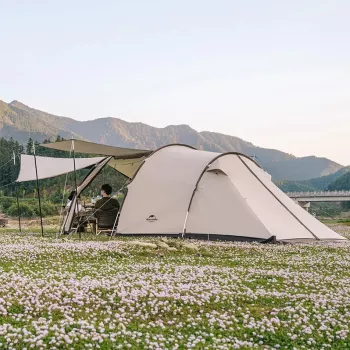
If your trip leans more toward mixed weather and frequent campsite changes, a classic fabric tent can be simpler. The 3-4 Person Outdoor Tunnel Tent is a practical alternative for family-style camping when you want a lower-profile shelter that blends into more varied conditions.
Care and maintenance to keep the view crystal-clear
Bubble tent vs. classic camping tents: which fits the trip
| Feature | Inflatable Starview Bubble Tent | Outdoor Tunnel Tent (3–4 Person) |
|---|---|---|
| Best for | Scenic stays, stargazing, glamping nights | Family camping, longer multi-day trips, mixed weather |
| Visibility | Panoramic, immersive views | Standard windows/vents |
| Privacy | Site selection and screens matter more | More naturally private with opaque fabric |
| Wind profile | Higher profile; needs solid anchoring | Lower profile; typically more wind-friendly |
| Portability | Better for drive-in or basecamp setups | Often easier for varied campsite changes |
Who this style of tent is perfect for
FAQ
How long does it take to set up an inflatable bubble tent at camp?
Most setups take about 20–45 minutes, depending on how much site prep is needed and how carefully you stake and tension the anchors. Taking a few extra minutes to balance tension typically pays off with better stability and less noise overnight.
How do you manage condensation and keep the inside comfortable overnight?
Use ventilation early, keep wet gear outside the sleeping area, and place a ground barrier or rug near the entrance to reduce moisture and grit. As temperatures drop, adjust airflow to strike a balance between fresh air and warmth.
Is a clear bubble tent private enough for campgrounds?
It can be, but privacy depends more on site selection and orientation than with opaque tents. Choose a spot with distance from footpaths, angle the entrance away from neighbors, and use interior screens or curtains if available.
Recommended for you

Luxury Interior Design Checklist for Elegant Living
Aug 29, 2026
Talk & Connect Workbook: Better Parent-Child Talks
Aug 29, 2026













Leave a comment