
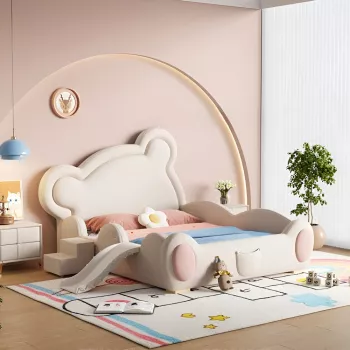

Bedroom Design Ideas for Any Style + Simple Checklist

Creative Bedroom Design Ideas for Every Style: A Practical Guide with a Ready-to-Use Checklist
A bedroom works best when it reflects personal style while supporting rest, storage, and everyday routines. The most successful rooms are built in layers—layout first, then color and lighting, then textiles, then finishing details—so the final look feels intentional instead of “assembled.” If sleep quality is a priority, it also helps to align the space with healthy habits like consistent wind-down cues and comfortable lighting; the CDC’s sleep hygiene guidance is a useful reference when planning a calmer nighttime setup.
Start with the foundations: layout, function, and flow
Before choosing a paint color or ordering new bedding, decide how the room needs to work. Is it sleep-first, sleep + work, sleep + nursery corner, or a multi-use guest space? That single decision shapes everything from bed placement to storage priorities.
- Place the bed for comfort and circulation: keep clear paths on both sides when possible, and avoid blocking closet doors or window access.
- Map storage needs early: plan for clothing volume, shoes, linens, accessories, hobby items, and seasonal overflow before buying decorative furniture.
- Create “quiet” and “active” zones: put a reading chair near natural light, a vanity close to outlets, and a work surface away from the bed when you can.
- Scale matters: nightstands, lamps, and rugs should match bed size and wall width so the room feels balanced (not top-heavy or undersized).
Quick bedroom layout guide by room size
| Room size | Best bed placement | Storage priority | Add-on ideas |
|---|---|---|---|
| Small (studio to 10×10) | Bed against the longest uninterrupted wall; keep one side access if possible | Under-bed bins, wall shelves, slim wardrobe | Wall-mounted sconces, fold-down desk, mirror to expand light |
| Medium (10×12 to 12×14) | Center bed on main wall; keep 24–30 in walkways | Dresser + closet organizers; bedside drawers | Reading corner, bench at foot of bed, layered window treatments |
| Large (14×16+) | Bed as focal point with wider side spacing; consider a seating zone | Wardrobe system + dresser; hidden storage bench | Accent wall, larger rug, statement lighting, lounge chair + side table |
Choose a style direction that matches how the room should feel
Style gets easier when it’s defined in a few words. Pick three descriptors—like “airy + natural + minimal” or “moody + vintage + romantic”—and use them to filter every purchase. This prevents a room from drifting into mixed signals.
- Anchor the style with two big surfaces: wall color (or wallpaper) and bedding. Then repeat those colors in smaller accents for cohesion.
- Limit competing focal points: if the headboard is bold, keep art and lighting calmer; if lighting is sculptural, simplify textiles.
- Blend styles with intention: share a palette and repeat a material (wood tone, metal finish, or woven texture) so the mix reads curated.
Modern minimal: clean lines, calm palette, high-impact textures
- Palette: warm whites, greige, and charcoal accents. Keep contrast deliberate rather than busy.
- Furniture: low-profile platform bed, simple nightstands, concealed storage, and one sculptural chair.
- Texture layering: matte walls, crisp cotton bedding, a wool rug, and one tactile throw to avoid a flat look.
- Lighting: dimmable bedside lighting plus a soft overhead fixture; energy-saving lighting choices can also reduce heat and glare (see the U.S. Department of Energy’s lighting basics).
- Finishing touches: one large-format artwork, hidden cable management, and uncluttered surfaces.
Cozy farmhouse: warm woods, soft patterns, and lived-in comfort
- Palette: creamy whites, soft sage, dusty blue, warm tan; add black iron accents sparingly.
- Materials: medium-tone woods, linen/cotton bedding, woven baskets for flexible storage.
- Pattern, lightly: stripes, small checks, or subtle florals in quilts and pillows—keep walls calmer for balance.
- Practical charm: vintage-style frames, a bench at the foot of the bed, and a rug that holds up to daily life.
- Avoid overload: choose one rustic statement (headboard, beams, or shiplap), then keep everything else refined.
Boho and eclectic: layered textiles, artful mixes, and collected objects
- Start with a calm base: white, sand, or warm gray supports bolder patterns without visual fatigue.
- Layer rugs: a neutral base rug with a smaller patterned rug on top defines the bed zone and adds depth.
- Mix patterns intentionally: stick to 2–3 pattern types (geometric + stripe + small floral) while repeating colors.
- Add organic softness: plants, rattan, cane, and handmade ceramics bring warmth to eclectic rooms.
- Curate decor: group objects in odd numbers and leave breathing room on surfaces to prevent clutter.
Classic and traditional: symmetry, tailored textiles, and timeless accents
Glam and luxe: shine, contrast, and statement lighting
Color, lighting, and textiles: the fastest ways to change the mood
If layout is the skeleton, color and softness are the personality. Color perception is also deeply tied to how light interacts with surfaces; for a quick refresher on how color works, see Britannica’s overview of color science.
A simple room-by-room checklist to turn ideas into a finished bedroom
Shop the look: ready-to-use resources and statement pieces
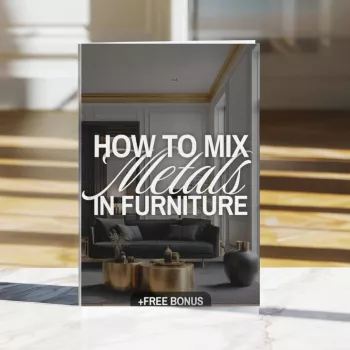
- Creative Bedroom Design Ideas for Every Style | Interior Design Ideas Bedroom eBook | Digital Download Home Decor Guide & Checklist
- Luxury Gold Crystal Branch Chandelier – Modern Ceiling Pendant Lighting
FAQ
How can a small bedroom look bigger without remodeling?
Stick to lighter wall colors, hang curtains high and wide, and use a larger rug that extends past the bed. Add a mirror near a light source, and choose a few larger decor pieces instead of many small ones.
What are the most important lighting types for a bedroom?
Use three layers: ambient overhead lighting, task lighting for bedside reading, and a softer accent light for evenings. Dimmers make the room feel calmer and help shift into a nighttime routine.
How do you mix bedroom styles so it still feels cohesive?
Keep a consistent color palette, repeat one or two finishes (like oak and brass), and let one style lead. Bring the secondary style in through accents such as art, pillows, or one statement piece.















Leave a comment