

Touchless Sensor Trash Can: Quiet, Clean Odor Control
Smart Touchless Sensor Trash Can – Cleaner, Quieter Waste Disposal for Modern Homes
A touchless trash can helps keep hands clean, reduces odors, and makes everyday cleanup faster—especially in kitchens, bathrooms, and home offices. This guide breaks down how a smart sensor bin works, what makes it eco-friendlier than basic alternatives, and what to look for so it fits the space and routine without adding hassle.
What a touchless sensor trash can changes day to day
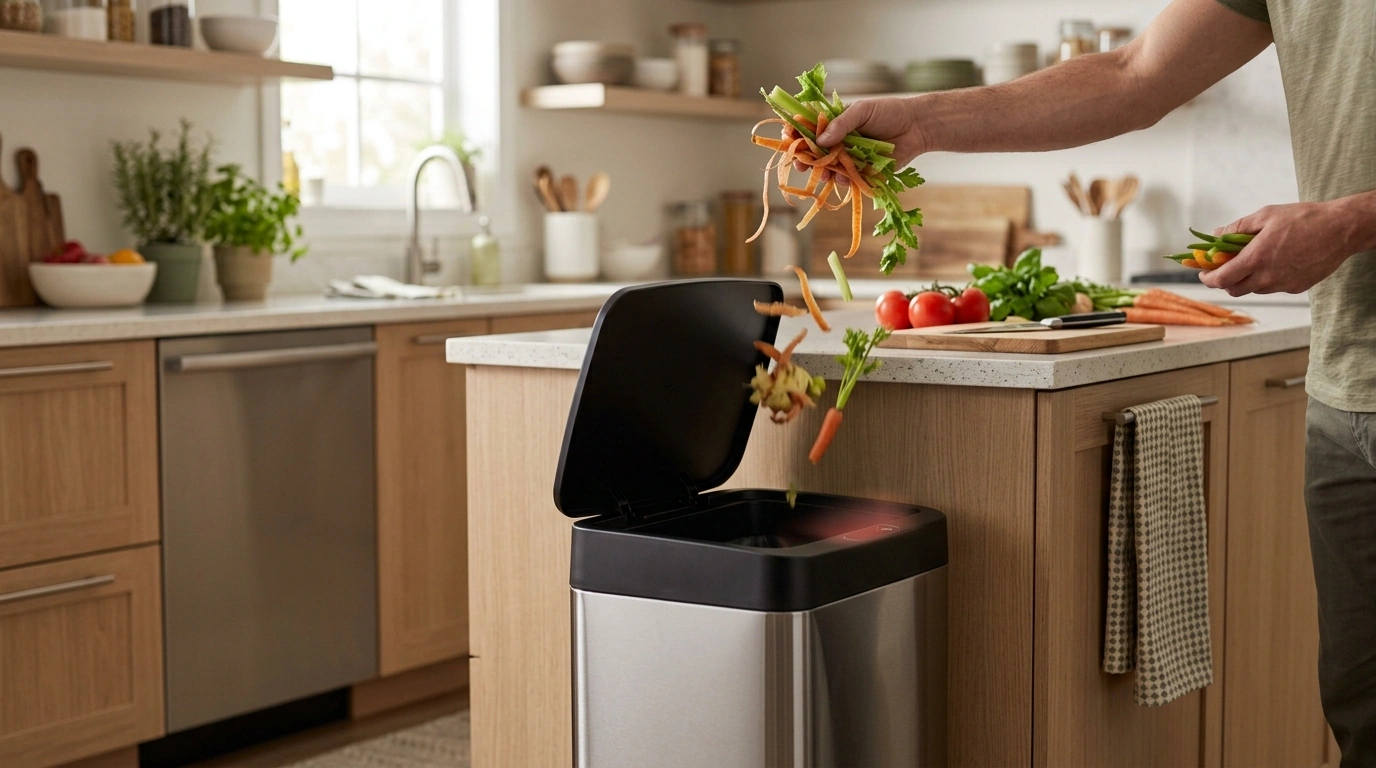
The biggest difference is how often you can throw something away without interrupting what you’re doing. Instead of reaching for a lid (or leaving it open), the bin opens when you approach and closes on its own, keeping the rest of the room cleaner and calmer.
- Hands-free lid opening helps limit contact with germs after cooking, cleaning, or handling raw food packaging. The CDC emphasizes washing hands at key moments—like after handling waste—so reducing extra touch points can complement good hygiene habits.
- Faster disposal during meal prep keeps counters clearer and reduces drips on cabinet fronts and handles.
- Useful when mobility is limited or hands are full (laundry, diapers, pet waste, cleaning supplies).
- A well-sealed lid can reduce lingering odors compared with always-open bins.
For hygiene basics and timing, see the CDC’s guidance on handwashing.
How the sensor and motorized lid typically work
Most smart bins use a simple, reliable chain: detection, activation, timed open, and automatic close. Understanding the basics makes it easier to place the can where it behaves the way you expect.
- An infrared or proximity sensor detects motion within a short range and triggers the lid mechanism.
- The motor lifts the lid for a set time, then closes automatically to keep odors contained.
- Some models include a manual button option for longer open time during big cleanup tasks.
- Placement matters: avoid tight corners where passing movement could trigger the lid repeatedly.
If you’re seeing “phantom openings,” the fix is usually simple: rotate the bin so the sensor faces away from the busiest path, and keep glossy cabinet faces or reflective appliances out of the sensor’s direct line.
Eco-friendlier habits the right bin can support
A touchless can doesn’t automatically make a home sustainable—but it can make low-waste routines easier to stick with. Small improvements add up when they reduce the need for disposable quick fixes and repeat cleanups.
- A consistent lid seal can discourage overusing deodorizing sprays and single-use odor absorbers.
- Reducing spills and mess can cut down on paper towel usage during cleanup.
- Helps build a routine for sorting waste by keeping trash contained and making disposal easier.
- Longer-lasting construction and replaceable batteries (or efficient power use) can reduce frequent bin replacement.
For a big-picture look at waste reduction priorities (reduce, reuse, recycle), the EPA’s Sustainable Materials Management basics are a helpful reference.
Key features to compare before buying
Two bins can look similar online but feel very different in daily use. Compare the practical details that affect how often you change bags, how quiet the lid is, and how well odors stay contained.
- Capacity and footprint: balance how often the bag is changed with available floor space.
- Sensor sensitivity: adjustable settings can prevent accidental opens from pets or foot traffic.
- Lid seal and odor control: look for tight closing and a rim design that holds bags securely.
- Noise level: a smoother motor and dampened close can matter in open-plan spaces or at night.
- Power and maintenance: battery type, expected runtime, and ease of cleaning around the hinge and rim.
- Materials and finish: durable surfaces that wipe clean help keep the bin looking new longer.
Quick comparison checklist
| What to check | Why it matters | What to look for |
|---|---|---|
| Capacity | Fewer bag changes and better fit for household size | Choose a size that matches weekly waste volume |
| Sensor range | Prevents nuisance openings | Moderate range or adjustable sensitivity |
| Seal quality | Reduces odor spread | Snug close with minimal gaps around the rim |
| Bag retention | Stops bags from slipping into the bin | Hidden bag ring or firm clamping rim |
| Cleaning access | Makes upkeep easier | Smooth inner walls; easy-to-wipe lid area |
| Power use | Lower ongoing hassle | Efficient motor and common battery format |
Best places to use a smart touchless bin
Touchless bins shine anywhere you toss small items frequently—especially in rooms where clean hands and quick cleanup matter.
Setup and care tips for reliable performance
Product spotlight: Smart Touchless Sensor Trash Can – Eco-Friendly Electric Garbage Bin
If the goal is cleaner disposal without extra steps, the Smart Touchless Sensor Trash Can – Eco-Friendly Electric Garbage Bin is designed for hands-free use in busy areas like the kitchen, bath, or office.
More home upgrades to pair with a cleaner routine
- Luxury Gold Crystal Branch Chandelier – Modern Ceiling Pendant Lighting for a brighter, more polished kitchen or dining area.
- Meaningful Conversation Starter Guide | Printable Guide for Dating, Friendship & Networking to refresh a home office or hosting corner with an easy, printable add-on.
FAQ
Do touchless trash cans open by accident around pets or foot traffic?
They can if the sensor range is too long or the can is placed in a tight walkway. Position the bin so the sensor faces away from frequent pass-through movement, and choose a moderate range or adjustable sensitivity when possible.
How should a sensor trash can be cleaned without damaging it?
Remove the liner, then wipe the sensor window gently and clean the inner bin and rim with mild soap and water. Avoid letting water pool near the electronics or hinge area, and dry everything thoroughly before reinstalling the bag.
Are touchless trash cans worth it for odor control?
Yes, a tight-closing lid can meaningfully reduce odor spread compared with open bins. For best results, pair the seal with routine cleaning, correctly sized liners, and timely bag changes.
Recommended for you
French Bed vs Double Bed: Size vs Style Differences
Sep 14, 2026













Leave a comment