

What Makes a Cat Scratching Post High Quality?
What is a good quality cat scratching post?
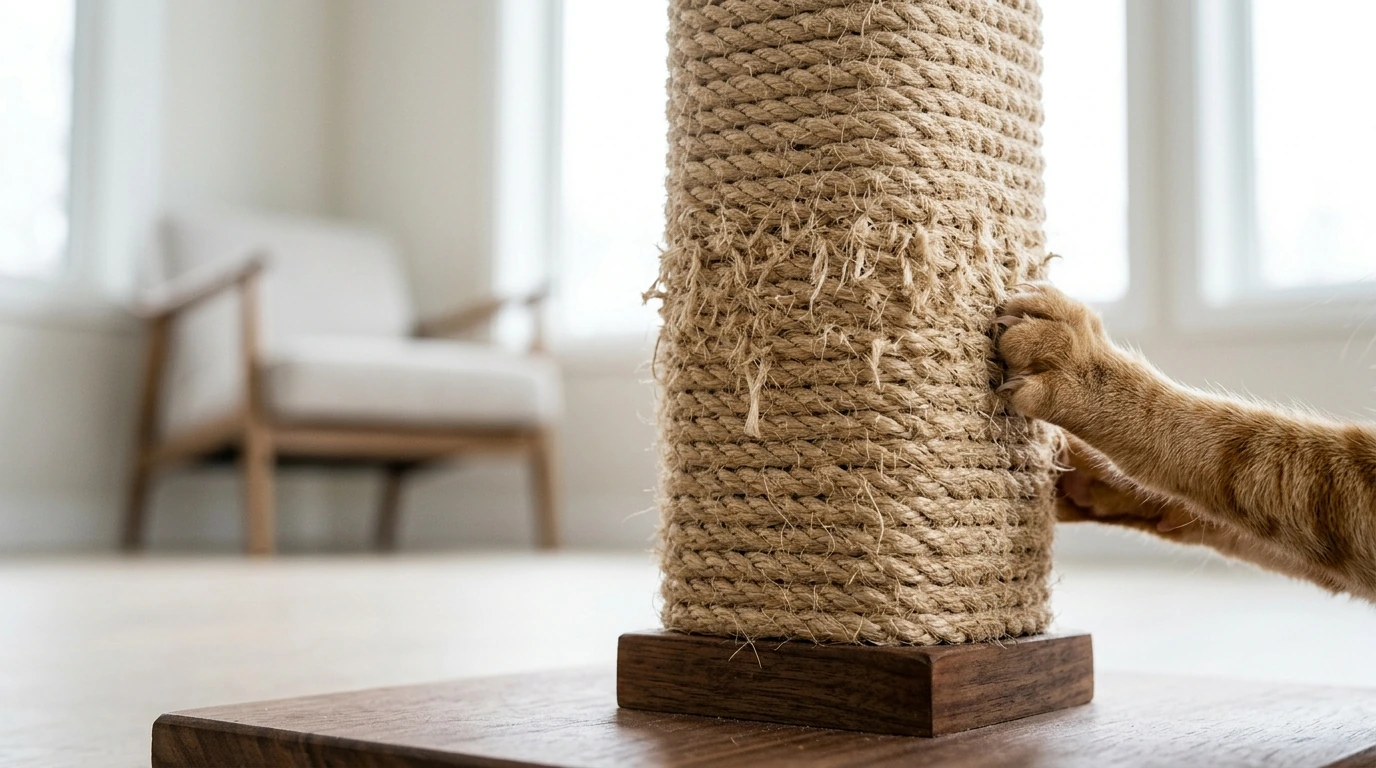
A good quality cat scratching post stays steady when a cat leans into it, offers a satisfying surface to scratch, and is tall enough for a full-body stretch. The best choice depends on your cat’s size, scratching habits, and available space, but a few construction details can help you spot a durable option.
Look for a stable, sturdy base
A wide, weighted base helps keep the post upright during vigorous scratching. If it wobbles, tips, or slides easily on your floor, your cat may avoid it—or knock it over. Check that the post and base feel firmly connected, with no loose hardware or sharp edges.
Choose a suitable scratching surface
Sisal rope and tightly woven sisal fabric are popular because they provide a textured surface cats can grip. Some cats also enjoy corrugated cardboard or natural wood. Notice what your cat already scratches at home, then look for a post with a similar feel. A surface that frays quickly or comes loose may need replacing sooner.
Check the height and build
The post should let your cat extend its body and reach upward comfortably. Larger cats often need a taller, sturdier model than kittens. Inspect the post for solid construction, secure wrapping, and materials that can handle repeated use. A simple design can be a better buy than extra features if it is stable and well made.
Match the post to your home
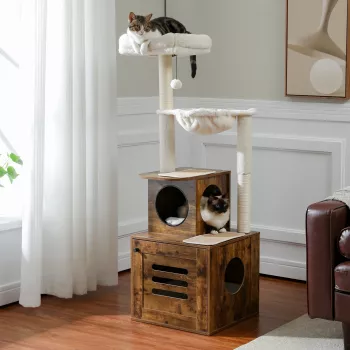
Consider where you plan to put it and whether the footprint fits without blocking a walkway. Cats often scratch after waking or near places where they already spend time, so location can matter as much as the post itself. If you are comparing a scratching post with a larger furniture-style setup, see this guide to a wooden cat tower with a hidden litter box and scratcher.
Make the choice last
Before buying, check whether the scratching surface can be replaced and whether the post is easy to clean. Position it on a level floor, and use praise or play to help your cat discover it. If the post becomes unstable, develops exposed staples, or sheds damaged material, repair or replace it rather than continuing to use it.
FAQ
Where should you place a cat scratching post?
Place it on a stable surface near a spot your cat already likes, such as a sleeping area or a piece of furniture they scratch. Keep it accessible, and avoid tucking it somewhere your cat rarely visits.
Recommended for you

Choose a Cat Scratching Post Your Cat Will Love
Sep 27, 2026













Leave a comment