


Bedside Table Mistakes That Make Your Room Feel Cluttered
What are common bedside table mistakes?
A bedside table should make your evening and morning routines easier, not create another cluttered surface to manage. Common mistakes include choosing the wrong size, keeping too many items within reach, and overlooking practical details like lighting and storage. A few small adjustments can make the area feel calmer and work better for your needs.
Choosing a table that is too large or too small
A nightstand that crowds the bed can make a small bedroom feel cramped, while one that is too narrow may not hold essentials securely. Check the available floor space and compare the table height with the top of your mattress. A surface close to mattress height is usually convenient for reaching a phone, book, or glass of water.
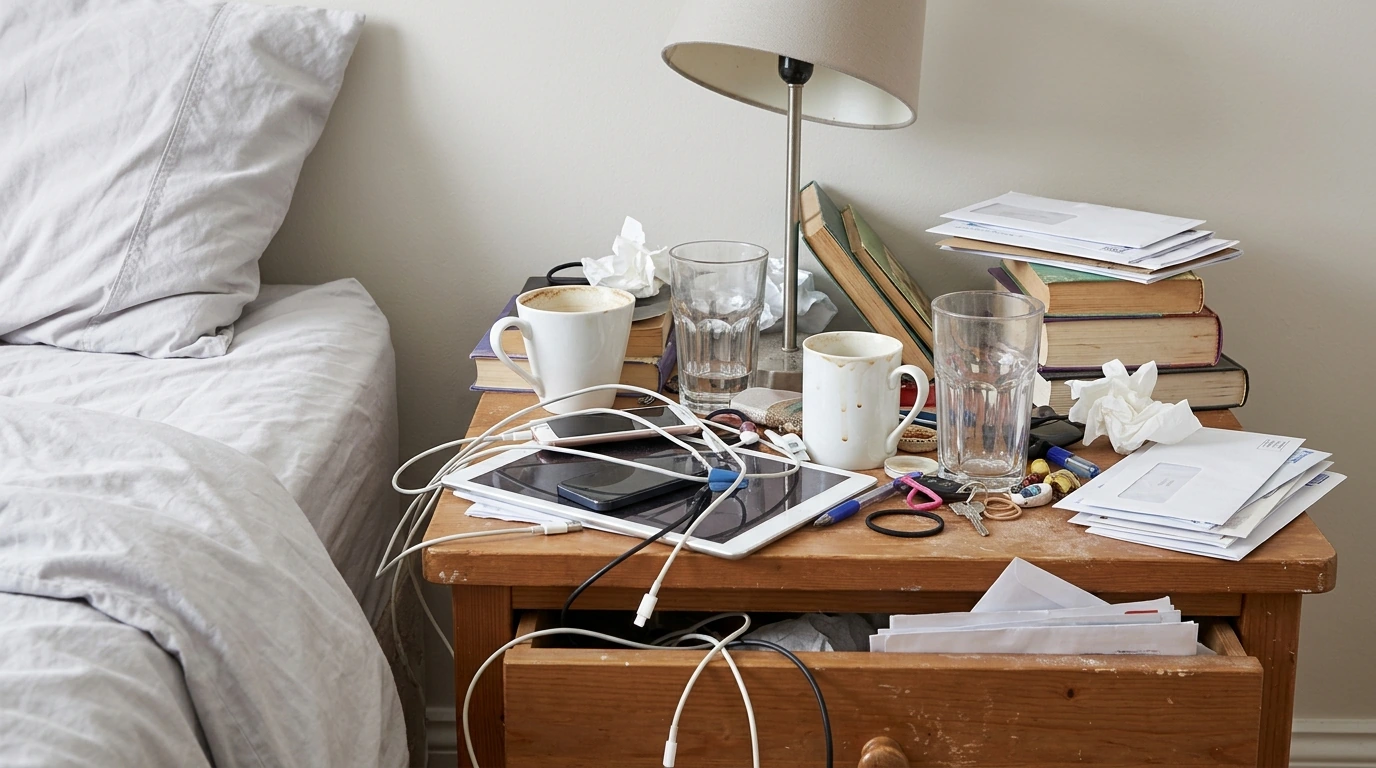
Letting clutter take over the surface
Stacks of books, loose chargers, receipts, and half-used products can quickly turn a bedside table into a catchall. Keep only the items you use regularly on top. Move occasional-use belongings into a drawer or another storage area, and return items to their place after using them.
Forgetting about cords and charging
Dangling cables can look messy and may get tangled around other belongings. Before placing the table, consider where the nearest outlet is and whether your charging cable will reach comfortably. Use a cable clip or organizer to keep cords controlled, and avoid overloading an outlet.
Using poor lighting
A lamp that is too dim can make reading difficult, while an oversized lamp may take up most of the usable surface. Choose a light that suits your bedtime routine and fits the table. If the surface is limited, a wall-mounted light can free up room for other essentials.
Ignoring storage and stability
An open tabletop may look tidy at first, but small items can accumulate without a designated place. Choose a table with a drawer or shelf if you need hidden storage. Also check that it sits level and feels sturdy; a wobbly surface is inconvenient for drinks, lamps, and electronics.
Making the setup work for you
Start by clearing the table, then add back only what you need at bedtime or first thing in the morning. For more practical ideas on creating a simple, tidy setup, see the minimal nightstand checklist.
FAQ
What should you keep on a nightstand?
Keep a few frequently used essentials, such as a lamp, phone, book, or water, and store less-used items elsewhere. The right selection depends on your routine and the amount of surface space available.
Recommended for you



What Makes a Cat Scratching Post High Quality?
Sep 27, 2026













Leave a comment