

What Makes a Drone Ideal for Aerial Photography?
Which type of drone is best suited for aerial photography?
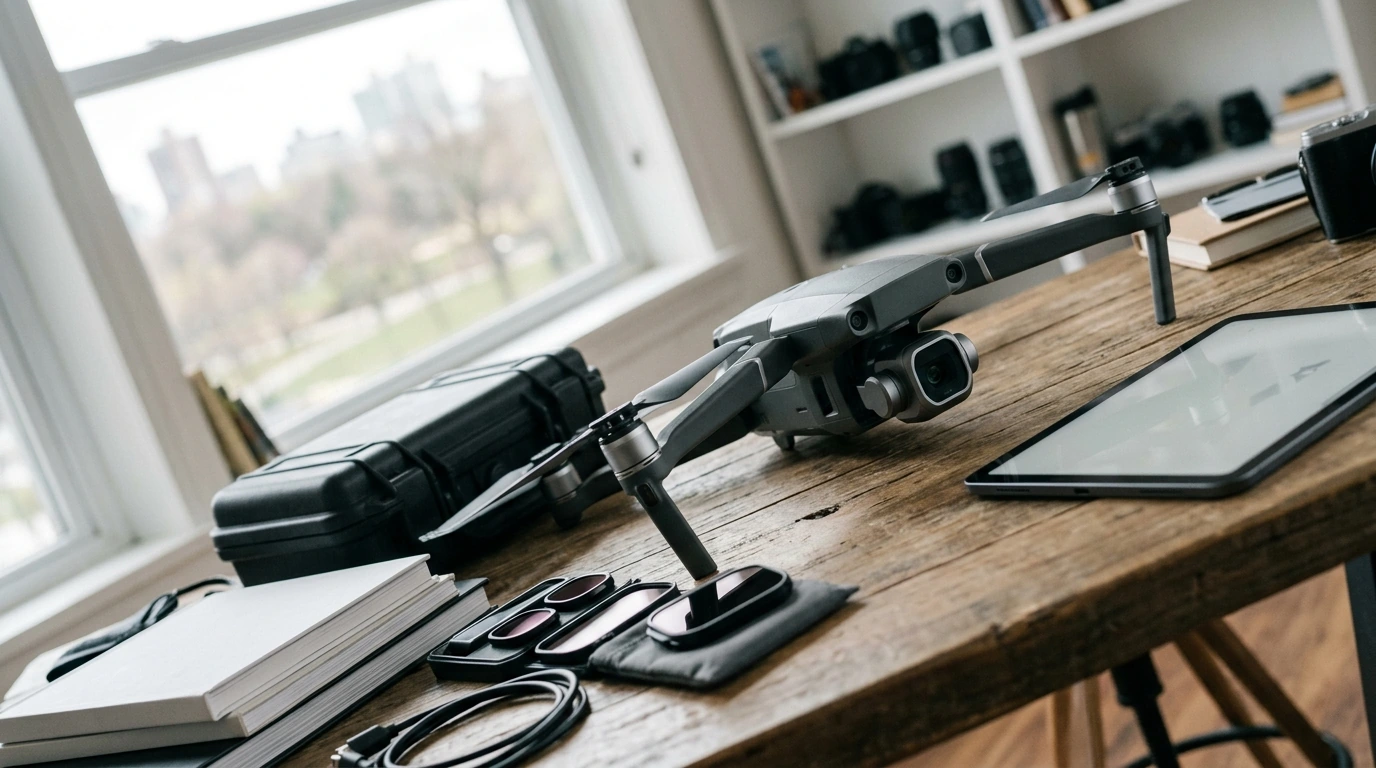
A camera drone with a stabilized camera, GPS-assisted flight, and dependable controls is usually best suited for aerial photography. These features help you compose shots more precisely and capture smoother images than a basic toy or racing drone. The right choice depends on whether you prioritize portability, image quality, or beginner-friendly operation.
Prioritize camera stabilization and control
Look for a drone with a mechanical gimbal, ideally a three-axis model. A gimbal counteracts movement from the aircraft, helping keep photos level and video footage steady. Electronic stabilization can be useful, too, but it may crop the image. Manual exposure options and the ability to save RAW files are valuable if you want more control over color, brightness, and editing.
Match the camera to your needs
Sensor quality, lens performance, and image processing all affect the final result. A high resolution can capture fine detail, but an “8K” label alone does not tell you how good the photos will look. Consider the camera’s actual photo output, available shooting settings, and low-light performance. If you plan to print or heavily crop images, prioritize overall camera quality rather than resolution claims alone.
Consider flight features and portability
GPS positioning can help a drone hold its place while you frame a shot, while obstacle sensing may offer added assistance around objects. Longer flight time gives you more opportunity to adjust composition, but real-world time can vary with wind and flight conditions. A compact, foldable camera drone suits travel and casual outings; a larger model may offer more advanced imaging features but takes more space to carry.
Are dual cameras useful?
They can be, especially when they provide genuinely different views or useful framing options. Before choosing one, confirm what each camera can capture and whether the main camera has the stabilization and image controls you need. Extra lenses do not automatically mean better aerial photographs.
For a closer look at features such as GPS, camera configuration, and flight controls, visit our 8K 5G GPS dual-camera drone buying guide. Our team recommends choosing the drone that best fits your shooting goals and experience level—not simply the model with the biggest advertised number.
FAQ
How does a gimbal improve aerial photos?
A gimbal steadies the camera as the drone moves, helping keep the horizon level and reducing blur caused by vibration. That makes it easier for you to capture sharp, consistent images.
Recommended for you
Free AI House Design Generators: What to Know
Oct 3, 2026










Leave a comment