


200/2400mm Telescope Guide: High-Power Backyard Views
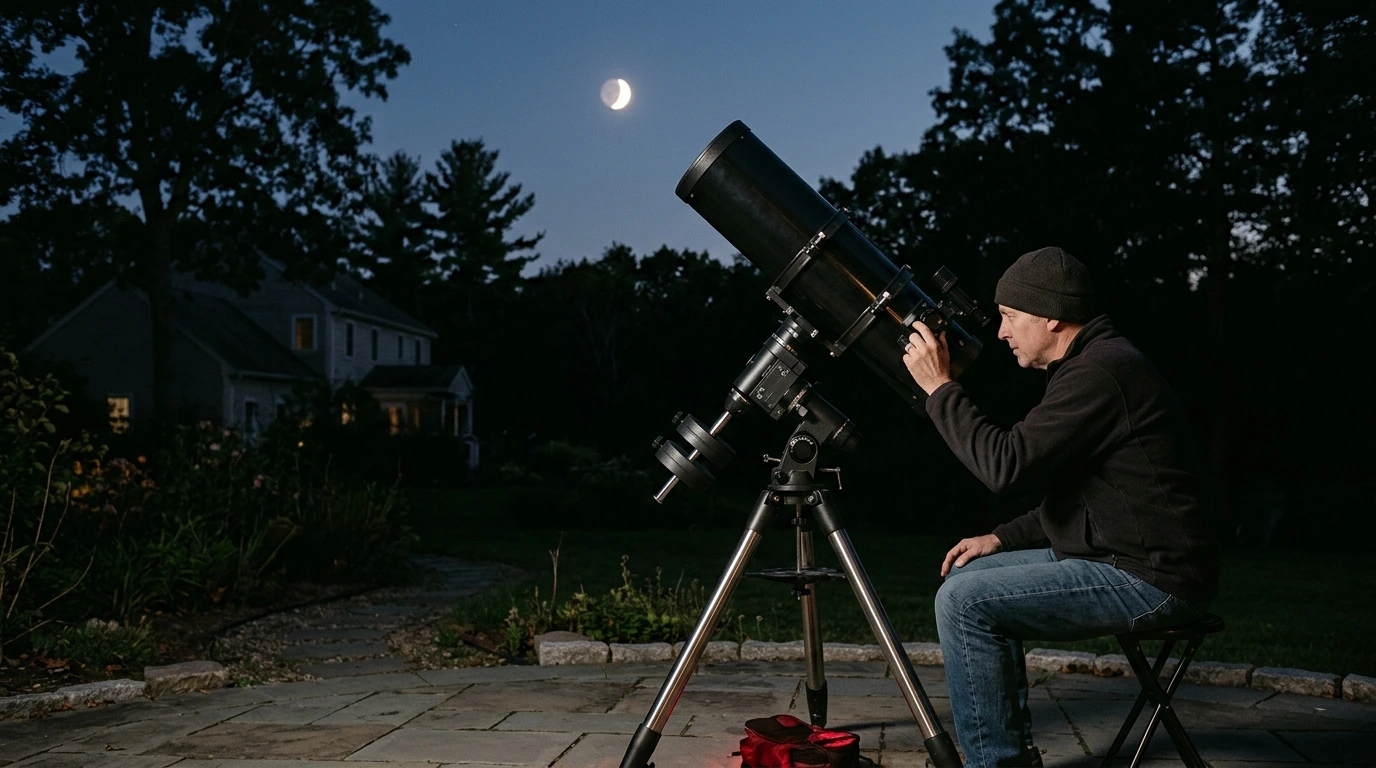
200/2400mm High-Power Astronomical Telescope for Stargazing Enthusiasts: A Backyard Observatory, Refined
A clear night deserves optics that keep pace with curiosity. Our 200/2400mm High-Power Astronomical Telescope is built for stargazing enthusiasts who want a serious, long-focus instrument for patient, detail-forward viewing—think crisp lunar features, steady planetary sessions, and rewarding deep-sky hunts when conditions cooperate. Below, our team lays out what this class of telescope is best at, how to set it up for satisfying nights outdoors, and how to plan observations so every session feels intentional.
Who this telescope suits (and why the 200/2400mm class feels different)
A 200mm aperture paired with a long 2400mm focal length tends to attract a specific kind of observer: someone who enjoys slowing down and extracting detail rather than racing through a long list of targets.
- Observers who prefer deliberate sessions: you’ll spend time letting the view settle, re-centering, and watching for brief moments of steadier air.
- Lunar and planetary enthusiasts: you enjoy technique—careful focus, managing cool-down, and checking “seeing” before pushing magnification.
- Backyard astronomers who value comfortable eyepiece behavior: long focal lengths can make it easier to reach useful magnifications with common eyepieces while keeping framing controlled on bright targets.
- Stargazers ready for a dedicated setup: this isn’t a “two-minute peek” instrument; it rewards care in placement, alignment, and pacing.
What 200/2400mm means at the eyepiece: reach, scale, and technique
A 2400mm focal length is about image scale. With many everyday eyepiece focal lengths, you naturally land in magnifications that can be very satisfying on the Moon and planets—when the atmosphere cooperates and the telescope has had time to thermally settle.
- High power isn’t automatic: the sky sets the ceiling. If the image looks soft or “boils,” lowering magnification often reveals more real detail.
- Fine focus matters more than you expect: on Jupiter’s belts, Saturn’s rings, or tight lunar contrast, tiny focus changes can be the difference between “almost” and “sharp.”
- Framing becomes selective: higher magnification narrows your field. A calm progression from finder to low power to higher power keeps your session smooth.
Practical observing progression for a long-focus telescope
| Step | Goal | What to look for |
|---|---|---|
| 1) Align & find | Get on target quickly | Accurate finder alignment on a distant daytime object, then a bright star at night |
| 2) Start wide | Center and stabilize the view | Use the lowest practical magnification to center and confirm target |
| 3) Increase power gradually | Match magnification to conditions | Sharper detail only when the image remains steady; back off if it softens |
| 4) Fine focus & wait | Let detail “snap” in | Moments of calm air reveal the best contrast—pause and watch for them |
Best targets for a high-power night: a curated observing menu
When you lean into what a long-focus, high-power-friendly telescope does well, the night becomes less about chasing everything and more about seeing a few things better.
- The Moon: aim near the terminator (the day-night line). Crater rims, rilles, and mountain shadows show contrast that keeps improving as your technique improves.
- Jupiter: work up in magnification only if the disk stays steady. Belt structure, zone shading, and moon transits are all about patience.
- Saturn: ring detail and the Cassini Division are classic goals; on steady nights, the experience changes dramatically.
- Mars (seasonal): timing is everything—favorable oppositions and higher-altitude views help you catch polar caps and dark markings.
- Bright double stars: splitting close pairs is a precise test of focus, collimation, and atmospheric steadiness.
For deeper background reading on targets and seasonal planning, we like NASA Solar System Exploration and the observing technique guides at Sky & Telescope.
Setup that protects contrast: placement, cool-down, and comfort
High magnification magnifies everything—including heat shimmer, vibration, and awkward posture. A few setup habits protect contrast before you ever touch the focuser.
- Pick a stable spot away from heat: avoid observing directly over heat-radiating surfaces (like sun-warmed pavement) and steer clear of nearby vents or fans.
- Give it time to cool: letting the telescope reach ambient temperature helps reduce “tube currents” that blur fine detail.
- Control stray light: even modest glare can wash out subtle planetary shading; a darker corner of your yard often outperforms a brighter open area.
- Observe comfortably: a steady seated posture helps you see more. A simple chair and a small accessory surface keep you from rushing.
- Plan for dew: humid nights can end early without basic prevention and smart storage habits.
If you travel for darker skies, the International Dark-Sky Association offers practical etiquette and lighting guidance that keeps sites enjoyable for everyone.
Technique upgrades that make nights feel effortless
Pairing the telescope with the right kind of night outdoors
For nights that turn into overnights, our team often pairs this observing style with the 3-4 Person Outdoor Tunnel Tent. And if you host a star-party-style evening, the Meaningful Conversation Starter Guide is an easy way to keep people engaged while you’re waiting for those “steady air” moments.
The telescope featured in this guide
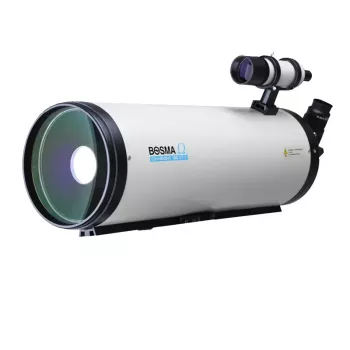
- Product: 200/2400mm High-Power Astronomical Telescope for Stargazing Enthusiasts
- When it shines: lunar/planetary detail, bright doubles, and disciplined high-power technique on steady nights
- A good fit for: stargazers who want a dedicated optical experience and are willing to set up with care and intention
FAQ
Is FN High Power considered a military weapon?
No—our “High-Power” item here is an astronomical telescope intended for observing the night sky, not a weapon. The phrase “High Power” can refer to unrelated products in other categories, but it doesn’t apply that way to telescopes.
What is a browning high power worth?
This question refers to a firearm market valuation and isn’t related to astronomical telescopes. For telescope value, focus on optical condition, included accessories, and the quality and stability of the mount/tripod system.
Recommended for you
Choosing a Smart Alarm Clock Kids Can Use
Oct 6, 2026













Leave a comment