


GPS Drone License Rules: What U.S. Pilots Need to Know
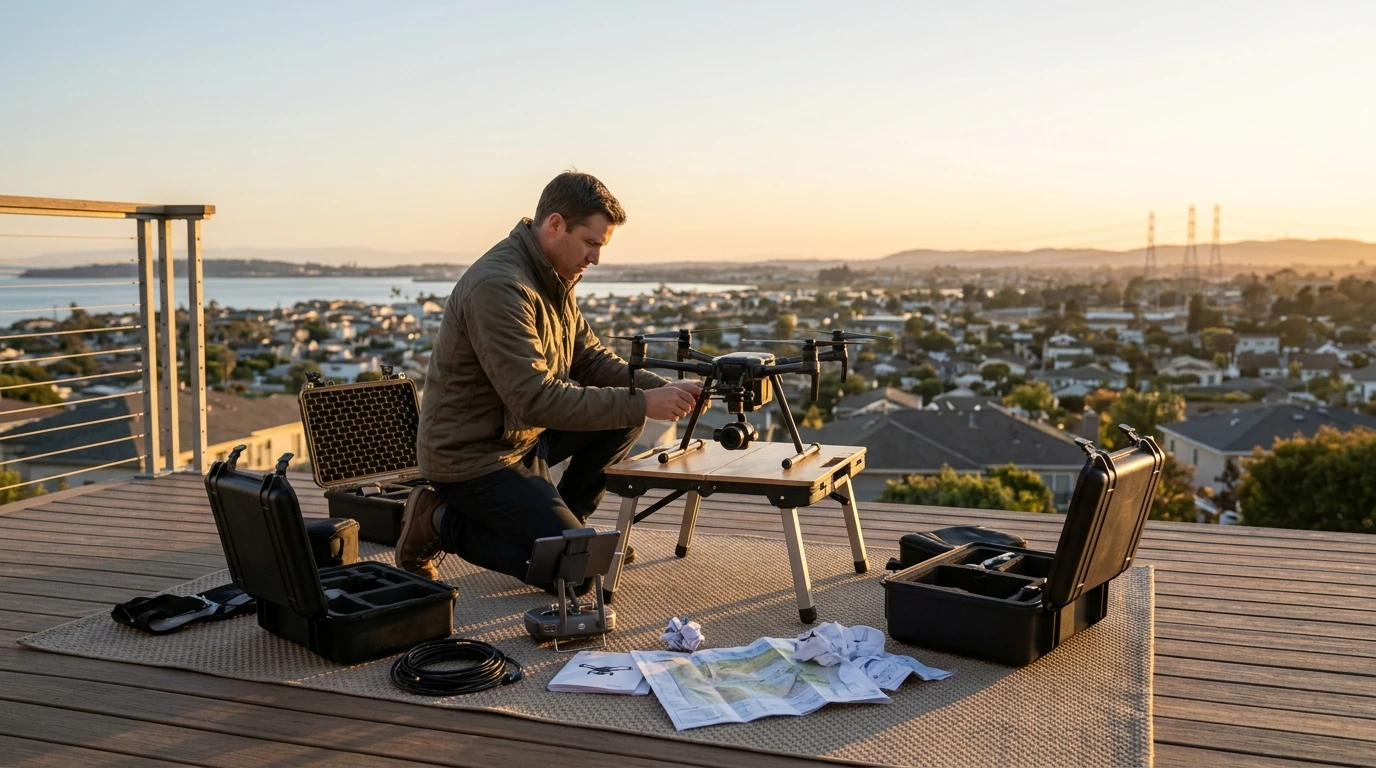
Do I need a license for a GPS drone?
In the United States, GPS capability does not determine whether you need a drone license. The rules depend mainly on why you fly and the drone’s weight. A GPS drone used for recreation usually does not require a pilot license, but recreational flyers must pass the FAA’s free TRUST safety test and follow applicable flight rules.
What are the rules for recreational flights?
If you fly only for fun, take and pass the Recreational UAS Safety Test (TRUST) before flying, and keep proof of completion with you. You generally must register a drone weighing more than 0.55 pounds (250 grams); registration requirements can also apply if you use the drone under different operating rules. Follow visual-line-of-sight requirements, fly within permitted altitude limits, and get authorization before flying in controlled airspace.
Remote ID rules may apply to registered drones, subject to FAA exceptions. Before your first flight, confirm that your drone and planned location meet current FAA requirements. GPS can help with positioning and navigation, but it does not replace airspace authorization, registration, or safe piloting.
When do you need a Part 107 certificate?
If you fly for work, business, or another non-recreational purpose, you generally need an FAA Remote Pilot Certificate under Part 107. This is often called a drone license. You must meet the FAA’s eligibility requirements and pass its aeronautical knowledge test. Part 107 also has its own operating and registration requirements, so recreational rules do not automatically cover a work flight.
What should you confirm before flying?
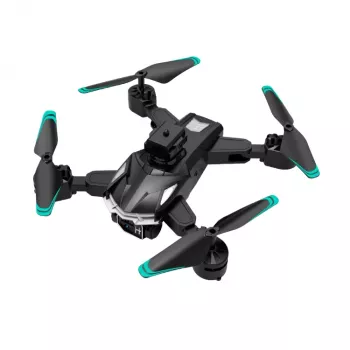
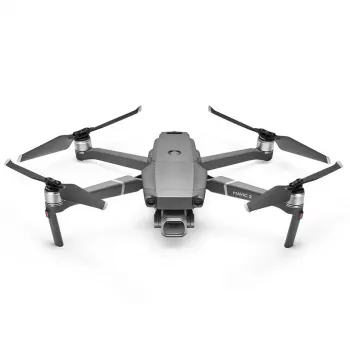
Identify your flight purpose, check your drone’s takeoff weight, and review the airspace where you plan to fly. Use an FAA-approved method to check whether the area requires authorization, and review local restrictions and the drone manufacturer’s safety guidance. Our GPS dual-camera drone flight and buying guide can help you compare features such as GPS positioning and camera options, but those features do not change FAA requirements.
FAQ
How can GPS help you fly a drone safely?
GPS can support position-holding, navigation, and return-to-home functions, depending on the drone. You still need to maintain control, keep the drone in sight when required, and follow airspace rules.












Leave a comment