

Is a Solid Wood TV Stand a Smart Long-Term Buy?

Are solid wood TV stands worth the cost?
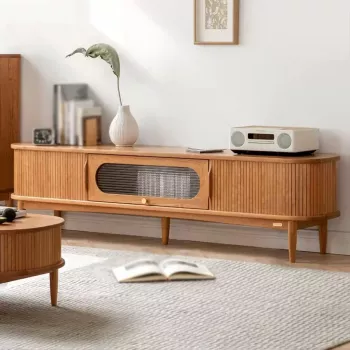
A solid wood TV stand can be worth the higher price if you want a durable piece that can stay in your home for years. Its value depends on the wood, construction, finish, and how well the stand suits your room—not simply on the “solid wood” label. If you expect to move or redecorate soon, or need a lower-cost option, a well-made engineered-wood stand may be the more practical choice.
What do you gain with solid wood?
Solid wood has natural grain and character, and sturdy construction can hold up to everyday use. Minor scratches or worn spots may be repairable, depending on the finish and damage. Wood also varies: species, joinery, thickness, and build quality affect strength and longevity, so solid wood alone does not guarantee a superior stand.
When is the extra cost worthwhile?
Consider the added cost if you value long-term use, natural materials, and the option to refinish or repair the piece. A stand you enjoy and keep for many years may offer better value than a cheaper unit you replace quickly. If you are furnishing a temporary space or prioritizing price, a quality veneer or engineered-wood design can still provide an attractive, functional surface.
What should you consider before choosing one?
Start with the television’s dimensions and weight, then confirm that the stand’s top and overall construction can support them. Think about the components you plan to store, the room available for doors and drawers to open, and whether the design provides useful cable openings and ventilation. Solid wood can be heavy, so plan where you want the stand before moving it. Keep it away from prolonged direct sunlight and major changes in humidity to help limit fading, drying, or movement.
For help comparing dimensions, storage, and style, read our guide to choosing a modern Nordic wooden TV stand.
FAQ
How do you clean a wooden TV stand?
Dust it with a soft, dry cloth and wipe spills promptly with a lightly damp cloth. Avoid soaking the surface or using abrasive cleaners, which can damage the finish.
Recommended for you

How to Spot Quiet Luxury: 5 Details That Matter
Oct 6, 2026













Leave a comment