


Do Portable Reverse Osmosis Filters Really Work?

Do effective portable reverse osmosis filters work?
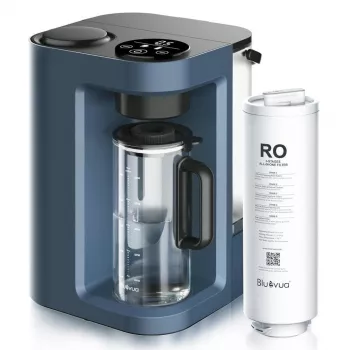
Yes—effective portable reverse osmosis (RO) filters can work very well, but only when their design supports true RO performance and they’re used within their limits. Reverse osmosis is a membrane-based process that can reduce many dissolved solids and contaminants by forcing water through a very fine membrane. When a portable unit includes a real RO membrane and adequate pressure, it can deliver noticeably cleaner-tasting water and lower total dissolved solids (TDS) compared to basic carbon or “straw” style filters.
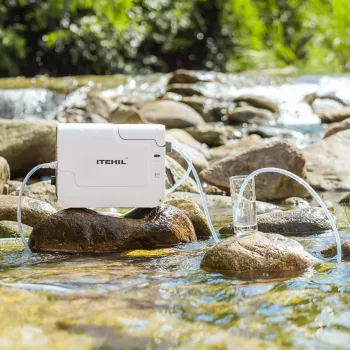
The biggest difference between “works” and “doesn’t” is usually pressure and flow. RO membranes need sufficient pressure to push water through; in many portable systems, that pressure comes from a manual pump, a battery pump, a faucet connection, or a pressurized source like a spigot. If pressure is too low, output can be extremely slow and rejection rates can drop, meaning more dissolved material gets through.
What portable RO filters are best at removing
Portable RO is especially strong at reducing dissolved salts/minerals (TDS), and it can help with certain heavy metals and other dissolved contaminants depending on the system’s prefilters and membrane quality. Many units also include carbon stages to improve taste and reduce chlorine/odors, which helps protect the RO membrane and improves overall results.
Where portable RO filters can fall short
Portability often means trade-offs: slower production, more wastewater, and a greater need for maintenance. In very cold water, performance can slow dramatically. In heavily sedimented or muddy sources, prefiltration is critical; otherwise membranes can clog quickly and output may become impractical. Also, not every “RO-style” portable device actually uses a true RO membrane—some rely on ultrafiltration, which won’t reduce dissolved solids the same way.
For a deeper breakdown of how these systems function and what to look for before buying, visit the main guide on effective portable reverse osmosis filters.
FAQ
How do you maintain a portable reverse osmosis system?
Rinse and store it as the manufacturer recommends, replace prefilters on schedule, and avoid running highly silty water without proper prefiltration. Keep the membrane from drying out if the model requires wet storage, and sanitize the system periodically if it’s designed for it.
Recommended for you
Modern Princess Wood Bed Frame: Twin vs Queen Guide
Aug 15, 2026













Leave a comment