


10 Iconic U.S. National Parks: Fast Facts for Trip Planning

Top 10 Must-See U.S. National Parks: Fast Facts for Nature Lovers, Hikers & Adventure Planners
From glacier-carved valleys to desert canyons and coastal rainforests, the most iconic U.S. national parks reward smart planning. This guide organizes essential fast facts—best seasons, signature sights, typical time needed, and practical logistics—so hikes, viewpoints, and scenic drives fit the trip style, fitness level, and schedule.
Before locking dates, double-check official updates on the National Park Service site for closures, seasonal roads, and reservation rules. For map-level planning and terrain context, the U.S. Geological Survey is a helpful reference.
Quick Planning Snapshot: 10 Parks at a Glance
Use this snapshot to shortlist parks based on season, crowd levels, and trip length. For time-crunched trips, prioritize one park plus nearby scenic corridors rather than rushing multiple long drives. For peak-season visits, secure lodging and timed-entry reservations as early as possible.
Fast Facts Overview (Trip Style + Best Time)
| Park | Best time to visit | Ideal trip length | Signature experience | Planning note |
|---|---|---|---|---|
| Yosemite (CA) | Late spring; fall | 2–4 days | Granite cliffs + waterfalls | Some areas use timed entry; parking fills early |
| Grand Canyon (AZ) | Spring; fall | 1–3 days | Rim viewpoints + canyon hikes | North Rim is seasonal; heat risk in summer |
| Yellowstone (WY/MT/ID) | Late spring; early fall | 3–5 days | Geysers + wildlife | Roads and lodging book out; follow wildlife-distance rules |
| Zion (UT) | Spring; fall | 2–3 days | Canyon hikes + shuttle scenic drive | Shuttle seasons can limit car access in main canyon |
| Bryce Canyon (UT) | Late spring; fall | 1–2 days | Hoodoo amphitheaters | High elevation means colder nights year-round |
| Rocky Mountain (CO) | Summer; early fall | 2–4 days | Alpine lakes + high passes | Timed entry common; afternoon storms are normal |
| Glacier (MT) | Summer; early fall | 3–5 days | Going-to-the-Sun Road | Road access is seasonal; reservations may apply |
| Acadia (ME) | Late spring; fall | 2–3 days | Coastal hikes + sunrise spots | Some roads require vehicle reservations in peak season |
| Olympic (WA) | Summer; early fall | 3–5 days | Rainforest + beaches + mountains | Distances are larger than they look; plan zones by day |
| Great Smoky Mountains (TN/NC) | Spring blooms; fall color | 2–4 days | Waterfalls + ridgeline views | Very popular; start hikes early for easier parking |
Park-by-Park Fast Facts and What Not to Miss
Yosemite National Park (California)
Get to Valley viewpoints early for quieter stops and easier parking. If Tioga Road is open, a high-country day adds lakes, domes, and cooler temperatures that contrast with the Valley.
Grand Canyon National Park (Arizona)
Short stays pair well with Rim walks, shuttle-access viewpoints, and sunrise/sunset stops. For below-the-rim hiking, set a conservative turnaround time, carry more water than you think you need, and respect the heat—especially from late spring through early fall.
Yellowstone National Park (Wyoming/Montana/Idaho)
Plan by regions (Old Faithful area, Canyon, Lamar/Hayden, Mammoth) because drive times add up fast. The best wildlife windows are typically dawn and dusk; keep a safe distance and use binoculars instead of approaching animals.
Zion National Park (Utah)
Pick one “big” hike and one scenic canyon day to keep the pace realistic. Shuttle operations can shape your schedule, so check access rules and start early for classic routes and cooler temps.
Bryce Canyon National Park (Utah)
Rocky Mountain National Park (Colorado)
Glacier National Park (Montana)
Acadia National Park (Maine)
Olympic National Park (Washington)
Great Smoky Mountains National Park (Tennessee/North Carolina)
Adventure Planners’ Checklist: Permits, Timing, and Crowds
Packing and Safety Essentials for Hikers
- Day-hike basics: Water, extra layers, sun protection, headlamp, navigation, food, and a simple first-aid kit.
- Footwear: Choose traction appropriate for loose gravel, slickrock, mud, or snow; bring blister prevention for multi-day walking.
- Weather readiness: Mountain forecasts change quickly; pack a shell layer even on warm days.
- Navigation: Download offline maps; limited cell service is normal in many park areas.
- Leave No Trace habits: Stay on durable surfaces, pack out trash, respect wildlife, and follow local fire rules (see Leave No Trace Center for Outdoor Ethics).
Digital Guide Format: How to Use a Fast-Facts eBook While Traveling
Featured Digital Travel Guide
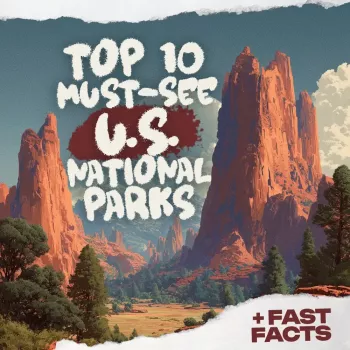
A compact, fast-facts reference can make the difference between a stressful “checklist trip” and a plan that actually fits your days. The Top 10 Must-See U.S. National Parks + Fast Facts | Digital Travel Guide eBook for Nature Lovers, Hikers & Adventure Planners is designed for quick decisions: best seasons, signature experiences, and practical notes that help you build a realistic itinerary.
For gear-based trips, pair planning with the right setup. A roomy shelter like the 3-4 Person Outdoor Tunnel Tent supports multi-day park hopping, while a printable companion like the Meaningful Conversation Starter Guide | Printable Guide for Dating, Friendship & Networking | Deep Questions & Prompt Examples is an easy add-on for road-trip downtime, picnic breaks, and camp conversations.
FAQ
What’s the best time of year to visit the most popular national parks?
Spring and fall are often the sweet spot for milder weather and smaller crowds, but some scenic roads and high-elevation trails can still be snowed in. In desert parks, summer heat can be dangerous, so shoulder seasons typically feel better for hiking.
How many days are enough for a first trip to a national park?
One day works for highlights and key viewpoints, 2–3 days is ideal for a balanced mix of hikes and scenic drives, and 4–5 days allows deeper trails plus multiple regions (especially in large parks like Yellowstone, Olympic, and Glacier).
Do national parks require reservations or timed entry?
Requirements vary widely by park and season, and they can change year to year. Check the park’s official page before booking, and reserve lodging, popular campgrounds, and any day-use permits as early as possible for peak months.
Recommended for you

Home Office Decorating Ideas for Better Focus & Flow
Aug 26, 2026













Leave a comment