

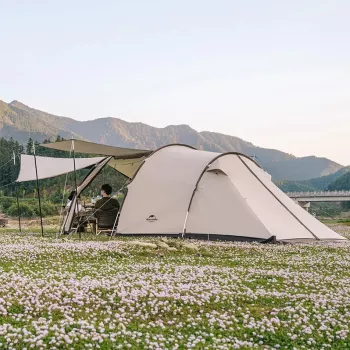
3–4 Person Outdoor Tunnel Tent Guide: Roomy, Fast Setup

3–4 Person Outdoor Tunnel Tent: Space, Shelter, and a Fast Camp Setup
A tunnel-style tent is built to maximize usable floor space and deliver steady performance in changing weather. With its long, rectangular profile and supportive pole structure, it’s a smart option for campers who want an efficient sleeping layout, reliable rain coverage, and a routine that doesn’t eat up the best part of the evening. Below is what to look for in a 3–4 person tunnel tent, how it fits different trip styles, and how to set it up and care for it so it stays dependable season after season.
Who a 3–4 person tunnel tent fits best
- Car camping and basecamp weekends: when comfort, headroom (where it counts), and an organized interior matter more than shaving ounces.
- Small families: two adults plus one or two kids, with extra room for jackets, daypacks, and bedtime clutter.
- Couples who want more space: a “3–4 person” footprint can feel luxurious when the weather turns wet and everyone needs to be inside longer.
- Trips with frequent wind shifts: the lower, streamlined profile can feel steadier than taller, flatter tent walls when pitched correctly.
To keep campsites clean and durable for the next group, follow established low-impact habits such as the Leave No Trace principles.
Tunnel tent layout: how the space feels in real use
- Long, rectangular living area: tunnel geometry typically makes it easier to line up sleeping pads and keep a central aisle clear for late-night exits.
- Headroom is most generous in the middle: ends are often lower, so it’s practical to push duffels and bulky bags toward the edges.
- “3–4 person” capacity in reality: often means 3 sleepers with gear inside, or 4 sleepers with most gear shifted to the vestibule or stored under a tarp.
- Camping with a pet: plan a small “entry zone” near the door for paws and leashes so dirt stays away from sleeping gear.
If you camp with dogs or cats, a quick refresher on behavior cues can make shared tent time calmer. The Understanding Your Pet’s Temperament guide is a helpful add-on for trips where new sounds, wildlife scent, or nearby neighbors might trigger stress.
Weather readiness: wind, rain, and ground moisture
- Site selection is the first weather feature: choose slightly higher ground to avoid runoff channels, and avoid cold-air drains in low valleys when temperatures drop overnight.
- Pitch orientation matters: aim the narrow end toward the prevailing wind to reduce fabric flapping and stress on poles and guylines.
- Use every guy-out point in wind: evenly tensioned lines reduce “fabric pumping,” which can push mist through damp fabric and increase wear.
- Ground moisture control: clear sharp debris, use a footprint if available, and avoid saturated grass where humidity rises into the tent overnight.
Before heading out, it’s worth checking local forecasts and alerts through the National Weather Service outdoor safety resources to plan around thunderstorms, high wind events, or extreme heat.
Setup approach that saves time at camp
- Practice once at home: it cuts down on mistakes and confirms poles, stakes, and guylines are all present before the drive.
- Stake the base corners first: locking in the footprint makes pole insertion smoother and helps the tent rise evenly.
- Tension in small steps: lightly tension all points, then do a final pass so the pitch is balanced instead of over-tight on one end.
- In rain, prioritize coverage: get the rainfly on early and keep the inner fabric off wet ground during assembly when possible.
A simple system helps: stakes and guylines in one pocket, poles in another, and the fly accessible first. That way, if weather shifts while unloading, you can protect the interior quickly.
Ventilation and condensation control
Packing, care, and storage for longer tent life
For a deeper maintenance refresher, REI’s tent care basics covers practical cleaning and storage habits that extend a tent’s working life.
Tunnel tents compared with other common styles
| Style | Strengths | Trade-offs | Best for |
|---|---|---|---|
| Tunnel | Efficient floor space; stable when guyed and oriented well | Needs staking; wind direction matters | Roomy sleeping layout, variable weather |
| Dome | Often easy to move after setup; balanced shape | Less rectangular space; can feel tighter for 4 | Mixed terrain, quick overnights |
| Cabin | Tall headroom; comfort-first | Bulkier; can catch wind | Fair-weather car camping |
Product option: 3-4 Person Outdoor Tunnel Tent
If you want tunnel-style space efficiency with a straightforward camp routine, the 3-4 Person Outdoor Tunnel Tent is designed for a small group or a comfort-focused pair who wants extra room for gear. The tunnel layout supports a clean sleeping arrangement and keeps the interior usable wall-to-wall, making it a solid match for car camping, basecamp trips, and weekend getaways where faster setup matters.
For low-key evenings at camp (especially when the weather pins everyone under the fly), the Meaningful Conversation Starter Guide is an easy add-on to keep downtime social without defaulting to screens.
FAQ
Can a 3–4 person tunnel tent sleep four adults comfortably?
Usually not comfortably for most groups. A “4 person” rating often means pads fit shoulder-to-shoulder with minimal extra space, so many campers find 3 adults plus gear inside is the more realistic comfort norm, with gear moved to the vestibule if you do sleep four.
Do tunnel tents handle wind well?
They can be very stable when the narrow end faces the wind and all guylines are used. Skipping guy-outs or pitching broadside to gusts increases flapping and puts more stress on poles and fabric.
How can condensation be reduced in cool, damp weather?
Ventilate whenever conditions allow by cracking a vent or door panel to create crossflow. Keep wet clothing out of the sleeping area, choose slightly higher ground, and wipe down moisture in the morning with a small towel if needed.














Leave a comment