


7.13-Gallon PVC-Reducing Water Purifier for Home Use
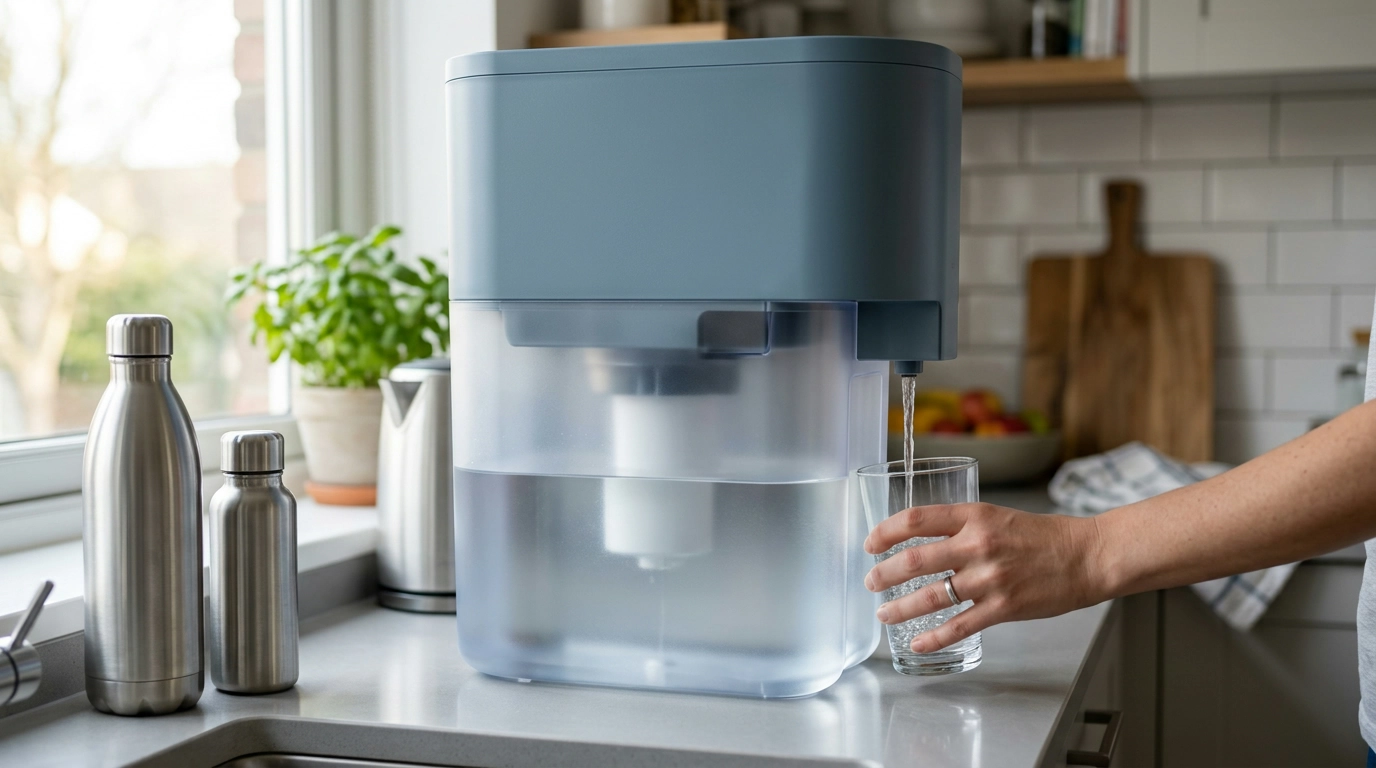
Ultra-Efficient PVC Removing Water Purifier – 7.13Gal Capacity
Clean, better-tasting water starts with matching a purifier to real-life needs: storage capacity, removal performance, maintenance workload, and where the unit will live. The Ultra-Efficient PVC Removing Water Purifier – 7.13Gal Capacity is built for households and small shared spaces that want a larger ready-to-use volume while addressing PVC-related concerns and everyday impurities that can affect taste, odor, and clarity.
What This Water Purifier Is Built to Do
This purifier is designed around the practical problem most households run into with smaller pitchers and compact tanks: you run out of filtered water right when you need it. With a 7.13-gallon reservoir, it aims to keep a meaningful buffer on hand for daily drinking, beverages, and light cooking without constant refilling.
- Provide more ready water at once: A 7.13-gallon storage capacity helps reduce refill cycles and supports more continuous use throughout the day.
- Improve day-to-day water experience: It’s meant to reduce water quality issues that show up as taste, odor, or cloudiness—common reasons people stop drinking enough water at home.
- Address PVC-related concerns: It’s positioned to help with concerns linked to PVC contact in water handling pathways (such as certain plumbing or storage components), alongside other impurities addressed by its filtration approach.
- Fit high-traffic routines: Useful for families, shared apartments, small offices, or anyone who hosts and needs predictable access to purified water.
Key Specifications at a Glance
Capacity is the standout differentiator here, but placement and ongoing replacement costs matter just as much as the upfront purchase—especially for higher-volume households.
| Item | Details |
|---|---|
| Product name | Ultra-Efficient PVC Removing Water Purifier |
| Storage capacity | 7.13 gal |
| Availability | In stock (stock: 9) |
| Price | 1311.99 USD |
| Product page | View product |
Placement tip: Before buying, confirm you have enough clearance for the lid and dispensing area, and consider the weight when full. Seven gallons of water is heavy, so a sturdy, level surface is essential.
How Capacity Translates Into Daily Use
A 7.13-gallon reservoir is most valuable when water demand comes in bursts. Think of mornings (coffee, tea, filling multiple bottles) and evenings (cooking, guests, hydration after workouts). Instead of waiting for a small unit to “catch up,” larger storage helps keep pace with real routines.
- Less interruption: Larger capacity means fewer refill or production cycles compared with smaller tanks.
- Better for shared usage: In a shared apartment or office, multiple people drawing water throughout the day can quickly drain a small pitcher.
- Balance freshness with turnover: If you live alone and only use a little filtered water, a very large reservoir can be more water than you rotate quickly. The best fit is when volume turns over steadily.
- Plan the footprint: Larger capacity generally means a bigger physical size and more weight when full, so placement matters from day one.
Filtration and PVC-Related Concerns: What to Look For
“PVC-related concerns” often come down to what the water contacts and what might be present as trace compounds, byproducts, or odors associated with plastic contact or certain plumbing contexts. Because performance varies widely by technology and filter media, it’s worth validating a few points before committing to any purifier.
- Confirm the filtration method: Look for clarity on what the filter media targets and what it is designed to reduce. Different media address different problems.
- Prioritize independent standards when available: Certifications and test reporting help separate marketing claims from measured outcomes. NSF offers a useful overview of treatment-unit testing and certification programs: NSF — Drinking Water Treatment Units.
- Know the cartridge service life: Replaceable filters can gradually lose performance as they load up. Service intervals depend on your source water and how much you run through the unit.
- Use your local water context: Your utility’s consumer confidence report or a simple lab test can help pinpoint what matters most. For general background on regulated contaminants and standards, see EPA — Drinking Water Contaminants and Standards.
For older plumbing, a few habits can reduce exposure opportunities: flushing lines briefly after water sits for hours, using cold water for cooking (then heating it), and storing purified water covered and away from heat or sun.
Setup, Placement, and First-Use Checklist
A larger purifier performs best when it’s installed thoughtfully and maintained consistently. A few minutes of preparation helps prevent nuisance issues like slow dispensing, accidental spills, or early taste complaints.
Maintenance and Ongoing Cost Considerations
For broader safety context and best practices around drinking-water quality, the WHO Guidelines for Drinking-water Quality is a respected reference.
Who This Purifier Fits Best
Common Limitations and Practical Tips
More In-Stock Picks for Home and Everyday Use
- Ultra-Efficient PVC Removing Water Purifier – 7.13Gal Capacity
- Luxury Gold Crystal Branch Chandelier – Modern Ceiling Pendant Lighting
- 3-4 Person Outdoor Tunnel Tent
FAQ
How long does 7.13 gallons last for a typical household?
For 2–4 people using filtered water for drinking plus coffee/tea and light cooking, 7.13 gallons commonly covers roughly 1–3 days, depending on habits and bottle refills. Track how many bottles or pitchers you fill over a week to estimate your real daily draw.
Does a water purifier remove all contaminants?
No—results depend on the filtration technology and what it is tested or certified to reduce. Check performance data or certification details, since some contaminants (or high levels of them) require specialized treatment methods.
How often should filters be replaced?
Replacement intervals depend on source water quality and how much water you run through the unit. Follow the manufacturer schedule and replace sooner if output slows, taste/odor returns, or you see buildup—keeping a simple maintenance log helps prevent guesswork.
Recommended for you
Make a Statement with a Sculptural Lava Lamp
Sep 23, 2026













Leave a comment