

Mobile Barbecue Grill Guide: Tailgate, Camp & Patio

Mobile Barbecue Grill for Tailgates, Camping, and Patio Cooking
A mobile barbecue grill makes it easier to cook outdoors without being tied to one spot. Whether it’s a tailgate, campsite, beach day, or a small patio, the right setup should be stable, easy to move, quick to start, and simple to clean—while still delivering strong heat and consistent results.
What “mobile” should mean in a barbecue grill
“Portable” can mean a lot of things, but true mobility is about controlled movement and confident cooking once you arrive.
- Rolls without drama: A balanced frame and quality wheels help the grill move smoothly over small cracks, pavers, and packed dirt without tipping.
- Stays put while cooking: Look for wheel locks or stabilizers so the grill won’t creep when you’re flipping, basting, or opening the lid.
- Fast setup: Minimal assembly steps, intuitive controls, and an easy-to-access ignition/fuel area reduce “fuss time” in parking lots and campsites.
- Easy to transport and store: A mobile grill should make sense for garage corners, trunk space, RV compartments, or a compact shed footprint.
- Works in tighter spaces: Sensible clearances, manageable heat output, and a layout that doesn’t demand a huge staging area matter on patios and at events.
Key features that affect real-world cooking
Mobility gets you there; performance makes the meal worth it. These practical details usually separate a “good enough” grill from one you’ll genuinely enjoy using.
- Heat control: Predictable adjustments that hold steady temps for longer cooks, while still getting hot enough for a crisp sear.
- Cooking surface: Enough room for a family meal, plus a layout that lets food sit flat without crowding (crowding can steam food instead of browning it).
- Lid design and airflow: A well-fitting lid improves even cooking, retains heat, and helps reduce wind disruption.
- Mobility hardware: Sturdy wheels, heat-safe handles, and a rigid frame that doesn’t twist when pushed or pulled.
- Cleanup: Removable grease components and surfaces that wipe down easily—especially important if you’re packing up and driving home.
Quick checklist for a mobile setup
| Feature | Why it matters | What to look for |
|---|---|---|
| Stable base | Prevents tipping during cooking and transport | Wide stance, locking mechanism, rigid frame |
| Wheel quality | Easier rolling on uneven ground | Larger wheels, smooth bearings, secure axle |
| Heat consistency | More predictable results | Responsive controls, good airflow, lid that seals reasonably |
| Grease management | Less flare-up risk and easier cleaning | Drip tray or channel, easy removal |
| Carry/handle points | Safer moving when warm (after cooldown) and easier loading | Heat-safe handles, balanced lift points |
Where a mobile barbecue grill fits best
A mobile grill earns its keep when the cooking location changes—or when the best spot in the yard changes with wind, shade, and guests.
- Tailgates: Quick heat-up and reliable stability on parking lot surfaces, plus straightforward pack-down after the game.
- Camping: Great for burgers, skewers, veggies, foil meals, and breakfast plates—especially when you plan for wind and limited prep space.
- Patios and small outdoor areas: Mobility helps you reposition around seating, keep smoke drifting away from doors, and cook where the lighting is best.
- Event cooking: Moving between setup points, serving zones, and cleanup areas is simpler when you’re not wrestling a full-size stationary grill.
Practical safety and placement basics
Outdoor cooking is more enjoyable when the setup is predictable and safe.
- Keep the grill outdoors in a well-ventilated area, away from enclosed spaces such as tents, garages, or covered vehicles.
- Maintain clearance from walls, railings, overhangs, and dry vegetation; heat and flare-ups can reach farther than expected.
- Set up on a level surface and engage any wheel locks or stabilizers before lighting.
- Use a food thermometer for doneness and safe holding temperatures; separate raw and cooked items to prevent cross-contamination.
- Let the grill fully cool before moving, covering, or loading into a vehicle.
For additional guidance on grilling safety and temperature basics, reference the NFPA grilling safety tips and the USDA safe minimum internal temperatures chart.
Getting better results with a mobile grill
Small habits make a big difference—especially when cooking in wind, on uneven ground, or with limited counter space.
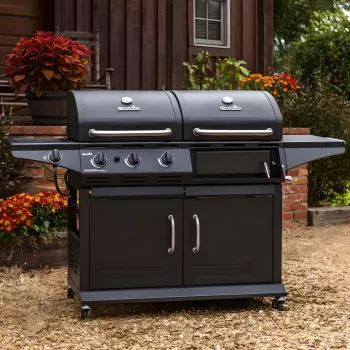
Mobile Barbecue Grill: a premium option to consider
Pairing ideas for outdoor weekends
For camping-focused weekends, consider pairing with a shelter that keeps gear organized and gives you a reliable staging area: 3-4 Person Outdoor Tunnel Tent.
FAQ
Can a mobile barbecue grill be used on an apartment balcony?
Check building rules and local fire codes first, since many balconies restrict certain fuel types and open-flame cooking. If permitted, keep it outdoors only, maintain clearances from railings and walls, and place it on a stable, non-combustible surface.
How long should a grill cool before moving or loading it into a vehicle?
Wait until all surfaces are cool to the touch and any heat source is fully out; cooldown time varies by grill type, outside temperature, and wind. Build pack-up time into your schedule and only handle parts after confirming they’ve cooled.
What is the easiest way to prevent flare-ups on a portable setup?
Trim excess fat, keep grease trays and drip areas clean, and cook fatty foods over a cooler zone when possible. Use the lid strategically to control oxygen and heat, and never use water on a grease fire.












Leave a comment