


Portable 5-Stage RO Water Purifier: Travel-Friendly Clean Water

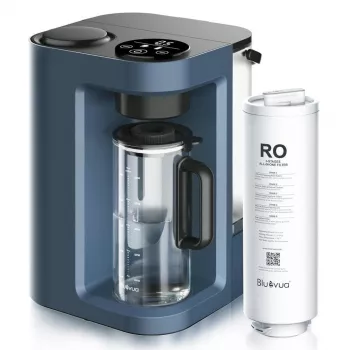
5-Stage Portable Reverse Osmosis Water Purifier: Efficient & Eco-Friendly
Clean drinking water can be difficult to guarantee when traveling, renting, or setting up a temporary living space. A portable reverse osmosis (RO) purifier with a multi-stage filter stack is designed to reduce a wide range of contaminants while cutting down on single-use plastic bottle waste. This guide explains how a 5-stage portable RO system works, what it may remove, how to use it day to day, and what to check before buying.
What a 5-stage portable RO purifier is built to do
A portable 5-stage RO purifier is meant to deliver purified water without committing to a permanent under-sink installation. That makes it a practical option for apartments, RVs, dorms, and temporary setups where drilling or plumbing modifications aren’t ideal.
Most units pair sediment and carbon pre-filters with a reverse osmosis membrane to help reduce particles, chlorine taste and odor, and many dissolved contaminants. A final post-filtration stage “polishes” the water for a cleaner finish that works well for drinking, cooking, and beverages. Over time, using a home or travel purifier can also support eco-friendly routines by reducing the need for bottled water.
How the 5 stages typically work (from tap to cup)
While exact stage names and media vary by model, a typical 5-stage portable RO process looks like this:
- Stage 1 (sediment): Catches rust, sand, and larger particles to protect later stages and support steadier flow.
- Stage 2 (carbon): Reduces chlorine and some organics that can affect taste and membrane performance.
- Stage 3 (carbon or composite): Further reduces taste/odor contributors and helps protect the RO membrane from oxidants.
- Stage 4 (RO membrane): The main barrier that reduces many dissolved solids and contaminants depending on feed-water chemistry and pressure.
- Stage 5 (post-carbon/mineral/polishing): Refines taste and can improve the drinking experience after RO treatment.
Because manufacturers define “stages” differently, confirm the product’s stage descriptions and replacement cartridge part numbers before purchase.
| Stage | Typical media | What it helps reduce | Why it matters |
|---|---|---|---|
| 1 | Sediment filter | Sand, silt, rust, particulates | Protects downstream filters and supports steady flow |
| 2 | Activated carbon | Chlorine taste/odor, some VOCs | Improves taste and helps protect the membrane |
| 3 | Carbon block/composite | Additional chlorine/organics | Adds protection and consistent performance |
| 4 | RO membrane | Many dissolved solids and contaminants | Primary purification step for broad reduction |
| 5 | Post-carbon/polishing (or mineral stage) | Residual taste/odor (and taste balancing, if mineral) | Final flavor and drinking-water finish |
What contaminants RO can reduce—and what it may not
Reverse osmosis is often selected to reduce total dissolved solids (TDS) and a broad range of dissolved contaminants. Actual performance depends on the membrane, feed-water chemistry, water pressure, and whether filters are replaced on schedule. Some systems are designed and tested to reduce specific contaminants such as lead, arsenic, fluoride, nitrate, and certain PFAS—verification depends on the exact configuration and third-party certification.
It’s also important to understand what RO isn’t. RO does not automatically “disinfect” water. If microbiological safety is a concern (for example, untreated well water or disaster scenarios), use an appropriate disinfection step for that source, such as UV, boiling, or properly dosed chemical disinfection. For general background on contaminants and water standards, see the U.S. EPA drinking water contaminants resources and WHO Guidelines for Drinking-water Quality.
Hard water can also be a challenge: scale-forming minerals may reduce membrane life. In very hard water, staying strict on pre-filter replacement and following flushing guidance can make a noticeable difference.
Efficiency and eco-friendly benefits to look for
Portable RO systems vary widely in efficiency, so it helps to compare a few practical factors before choosing a unit:
- Water-saving design: Look for a favorable purified-to-drain ratio (often called recovery rate). Higher efficiency can reduce wastewater over time.
- Lower plastic waste: Replacing bottled water with a refill routine can reduce single-use plastic and the logistics of storing cases of bottles.
- Filter lifespan transparency: Clear intervals and readily available cartridges help avoid premature disposal while keeping performance consistent.
- Energy use: Many portable units only need power for pumping and controls; check when electricity is required and whether the unit can run where you plan to use it.
- Materials and packaging: Durable housings and streamlined packaging can support greener, lower-waste ownership.
For help understanding certification and testing, review NSF’s overview of drinking water treatment standards and certifications.
Setup and daily use: practical checklist
Maintenance and replacement schedule basics
Who this purifier fits best
In-stock picks to support life on the go (and at home)
- 5-Stage Portable Reverse Osmosis Water Purifier: Efficient & Eco-Friendly
- 3-4 Person Outdoor Tunnel Tent
- Meaningful Conversation Starter Guide | Printable Guide for Dating, Friendship & Networking | Deep Questions & Prompt Examples
FAQ
Does reverse osmosis remove minerals, and is that a problem?
Reverse osmosis reduces many dissolved minerals along with other dissolved solids. For most people with a balanced diet, this isn’t a health issue, but some prefer the taste of water that’s been “polished” with a post-carbon or mineral stage. If you have specific dietary concerns, check local guidance and your system’s post-treatment setup.
Can a portable RO purifier make unsafe water safe to drink?
RO can reduce many dissolved contaminants, but microbial safety depends on the system design and the water source. For untreated or biologically risky water, add an appropriate disinfection step or choose a system that’s specifically certified for microbiological reduction.
How often do the filters need to be replaced?
Pre-filters (sediment and carbon) are typically replaced more often than the RO membrane, and the exact schedule depends on usage and feed-water quality. Follow the manufacturer’s intervals and use changes in flow, taste, or TDS (if available) as signals that replacements are due.
Recommended for you
New Kitten Feeding Plan: What to Feed & How Often
Aug 17, 2026













Leave a comment