

Robot Alarm Clock for Kids: Calmer Bedtimes, Easier Mornings

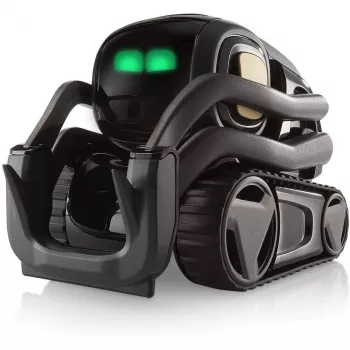
Smart AI Robot Companion & Alarm Clock for Kids: A Bedtime Buddy That Helps Mornings Run Smoothly
A kid-friendly robot that doubles as an alarm clock can make bedtime feel less like a negotiation and mornings less like a repeated reminder loop. The best versions combine a clear, readable clock with a comforting “companion” presence—helping children stick to routines without needing a phone in the bedroom. Below is a practical guide to what these devices are designed to do, which features matter most for families, and how to set one up for calmer nights and more independent wake-ups.
What This Robot Companion Alarm Clock Is Designed to Do
A robot companion alarm clock is built to be more than a standard clock on a nightstand. It’s meant to feel like a friendly character that kids enjoy having nearby, while still doing the job of keeping time and triggering predictable routines.
- Combine a bedside clock with a playful companion presence to reduce bedtime resistance.
- Support consistent wake-up routines with alarms and reminders.
- Encourage independence by giving kids a dedicated device instead of a phone.
- Fit into common family routines: morning prep, homework time, and wind-down.
- Offer a giftable, room-friendly gadget that feels like a character rather than a basic clock.
If you’re looking for a purpose-built option, see Smart AI Robot Companion & Alarm Clock for Kids for a bedside-focused device that emphasizes routine support and kid-friendly interaction.
Everyday Use Cases Parents Actually Care About
Parents don’t need more novelty—they need smoother transitions. A robot alarm clock shines when it becomes part of a repeatable rhythm kids can follow with less prompting.
- Bedtime transitions: a predictable sequence (dim lights, set alarm, short wind-down) that reduces arguments.
- Morning accountability: alarms that help kids get up without multiple reminders.
- Time awareness: seeing time pass during “get ready” routines can reduce dawdling.
- Room companion: a comforting presence that can make solo sleep easier for some children.
- Structured reminders: gentle nudges for brushing teeth, packing a backpack, or reading time.
For families working on healthy sleep habits, it also helps to align wake times with age-appropriate sleep needs. The American Academy of Pediatrics offers clear guidance on recommended sleep duration by age.
Key Features to Look For Before Buying
Not all kid alarm clocks are created equal. The right one is easy to use, hard to “mess up,” and gentle on sensitive sleepers.
- Kid-friendly alarm controls: simple enough to understand, but not so easy that the alarm is accidentally disabled.
- Adjustable sound and brightness: critical for light- or sound-sensitive kids.
- Low-friction interaction design: clear prompts, obvious indicators, and minimal setup confusion.
- Stable power behavior: know what happens after a power loss and whether alarms persist.
- Materials and build: smooth edges, durable casing, stable base for nightstands.
- Privacy expectations: understand what data is stored or transmitted and how settings are managed.
Quick checklist for comparing robot alarm clocks for kids
| Feature | Why it matters | What to check |
|---|---|---|
| Alarm reliability | Kids depend on consistency to build routines | Alarm volume range, multiple alarms, repeat/snooze behavior |
| Screen/LED brightness | Too bright can disrupt sleep; too dim is hard to read | Night mode, dimming levels, auto-dim options |
| Ease of use | Kids should operate it without frustration | Button layout, guided setup, clear icons |
| Quiet operation | No distracting sounds during the night | Motor/fan noise, notification sounds, mute options |
| Durability | Nightstands + kids = bumps and drops | Casing strength, stable footprint, scratch resistance |
| Safety & privacy | Peace of mind for parents | Child-safe materials, clear privacy controls, minimal data collection |
Setting It Up for Better Sleep and Easier Mornings
A smart clock works best when it’s treated like part of the household routine—not a toy that changes rules every night. Small setup choices make a big difference in whether it reduces stress or adds to it.
If you’re also improving general sleep hygiene (consistent sleep/wake times, a calming wind-down), the CDC’s sleep resources are a helpful reference for family-friendly basics.
Age Fit: What Works Well at Different Stages
Safety, Privacy, and Screen-Time Boundaries
Smart AI Robot Companion & Alarm Clock for Kids: At-a-Glance
| Item | Details |
|---|---|
| Name | Smart AI Robot Companion & Alarm Clock for Kids |
| Availability | In stock |
| Price | 1011.49 USD |
If you’re refreshing a bedroom setup to support calmer nights, lighting choices matter too. For a more decorative room upgrade (especially for older kids’ rooms or shared family spaces), consider Luxury Gold Crystal Branch Chandelier – Modern Ceiling Pendant Lighting. For families building stronger connection during wind-down or breakfast routines, the Meaningful Conversation Starter Guide (Printable) can pair nicely with screen-free time.
FAQ
Is a robot alarm clock better than using a phone for kids?
It can be, because a dedicated bedside device reduces distractions and helps keep phones out of bedrooms. It also creates clearer boundaries: time, alarms, and simple routines—without apps competing for attention.
How can kids avoid turning off the alarm and going back to sleep?
Place the clock slightly out of reach so they must sit up to silence it, and use a two-step alarm (a second alarm a few minutes later). Keeping the same alarm tone for a week and turning on brighter morning light also helps reinforce “up means up.”
Will a light-up clock make it harder for kids to fall asleep?
It depends on brightness and placement. Use night mode or the lowest brightness setting, angle light away from the child’s face, and keep the room as dark as comfortable to support easier sleep onset.














Leave a comment