

Solo Travel Safety Plan: Tips, Habits & Checklist

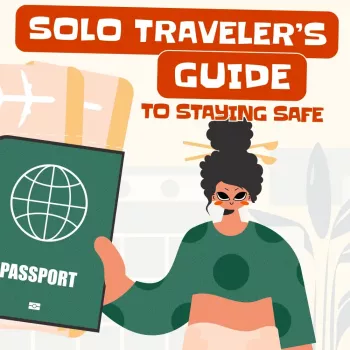
Solo Traveler’s Guide to Staying Safe: Practical Planning, On-the-Road Habits, and a Ready-to-Use Checklist
Solo travel can feel freeing and empowering, but it also puts every decision—routes, timing, lodging, digital security, and boundaries—on one person. A solid safety plan reduces stress and helps prevent common problems like theft, scams, and avoidable emergencies. Use the sections below to set up a simple system: prepare before departure, stay aware while moving, and keep a lightweight checklist that works in any destination.
Start With a Simple Risk Plan
Safety planning works best when it’s specific. Instead of trying to “be careful,” define what your trip actually looks like and decide your non-negotiables before you’re tired, rushed, or distracted.
- Define the trip profile: city vs. rural, day hikes vs. nightlife, long transit days vs. slow travel—each changes the risk mix.
- Set personal “hard no” rules: examples include no unregistered taxis at night, no isolated ATMs, and no sharing your lodging address publicly.
- Create a daily check-in routine: pick a time window, method (text/app), and an escalation plan if you miss a check-in.
- Make an emergency card: keep key numbers and medical info in a phone lock-screen note and/or a wallet card.
Quick Safety Plan Template
| Item | What to Decide | Example |
|---|---|---|
| Check-in schedule | When and how someone confirms safety | Message at 9pm local time; call if no reply by 10:30pm |
| Transit rules | Which transport options are acceptable | Use official airport taxis or app-based rides; avoid informal offers |
| Money split | Where funds are stored to limit loss | Primary card in wallet, backup card hidden, small cash in separate pocket |
| Device security | Locking, backups, and account protection | PIN + biometrics, cloud backup, 2FA enabled, SIM PIN set |
| Medical plan | Care access and key info | Travel insurance + nearby hospital saved; allergies in notes |
Before You Leave: Documents, Money, and Backup Options
Most “travel emergencies” become manageable when you can prove your identity, access funds, and replace essentials quickly.
- Back up documents: photocopy or securely scan your passport ID page, visas, insurance, and key reservations. Store encrypted copies and keep one printed set separate from originals.
- Set up banking controls: enable transaction alerts, confirm international access, and carry one primary and one backup card (ideally different networks).
- Pack a small failure kit: spare charging cable, universal adapter, small flashlight, basic first aid, and a doorstop or portable lock if lodging security is uncertain.
- Know local realities: review common scams, neighborhood patterns by time of day, and local emergency numbers. For destination-specific guidance, check official resources like U.S. Department of State travel information and CDC Travelers’ Health.
Choosing Lodging That Supports Safety
A safe stay is often less about “nice” and more about predictable access, lighting, and straightforward security. Prioritize what reduces decision fatigue when you arrive late or feel turned around.
- Location over luxury: being near transit and on well-lit streets is often safer than saving a few dollars far from everything.
- Check access control: look for a 24/7 front desk or a clear self-check-in process, working locks, and reviews that mention security and noise.
- Pick a room strategy: avoid ground-floor rooms with easy exterior access when possible; ask for a room away from secluded stairwells.
- Practice entry habits: scan the hallway, keep keys ready, and confirm the door closes and latches properly every time.
Transit Safety: Airports, Stations, and Street Navigation
Transit days combine crowds, luggage, and time pressure—exactly when mistakes get expensive. Plan to slow down, even when you’re moving fast.
- Arrive early: rushing leads to wrong platforms, sketchy offers, and missed details.
- Use official channels: licensed taxis, reputable ride apps, clearly marked ticket counters; decline “help” that tries to move you away from official areas.
- Keep essentials on-body: passport, primary card, and phone belong in a secure pocket or crossbody bag—not in an easy-to-grab outer pouch.
- Plan the last mile: save your lodging address offline, screenshot directions, and know the drop-off point before entering a vehicle.
- If something feels off, exit early: step into a staffed, public place (hotel lobby, café, station office) and reassess.
Situational Awareness Without the Stress Spiral
Digital Safety: Phones, Wi‑Fi, and Identity Protection
Common Scams and How to Respond
A Solo Safety Checklist That Fits in One Screen
Solo Travel Safety Checklist (Copy/Paste)
| When | Check | Done |
|---|---|---|
| Before leaving | Passport/visa photos stored securely + printed copy packed separately | □ |
| Before leaving | Bank alerts on + backup card packed | □ |
| Before leaving | Emergency numbers saved + check-in plan set | □ |
| Transit day | Offline maps/screenshots saved + address confirmed | □ |
| Transit day | Phone charged + power bank charged | □ |
| Arrival | Room/lodging locks tested + exits identified | □ |
| Daily | Cash/cards split + valuables minimized | □ |
| If something feels wrong | Exit to a staffed, public area and reassess | □ |
Printable Support for Planning and Peace of Mind
- Solo Traveler’s Guide to Staying Safe (digital PDF)
- 3-4 Person Outdoor Tunnel Tent (for road trips, festivals, and remote overnights where secure setup matters)
- Meaningful Conversation Starter Guide (Printable) (useful for building safer social connections without oversharing)
FAQ
What are the most important safety steps for solo travelers?
Start with a simple risk plan, set a reliable check-in routine, and keep essentials on-body. Choose lodging with solid access control, use official transit options, split money/cards, and lock down your phone with strong security basics.
How can solo travelers reduce risk at night?
Plan routes in advance, stick to well-lit areas, and avoid isolated streets and ATMs. Use licensed transportation, keep phone use minimal while walking, and have a clear exit option if a situation feels off.
Do I need a checklist for solo travel safety?
A checklist helps prevent skipped steps when you’re tired, rushed, or stressed—especially on transit days. Keeping a one-screen list makes it easy to repeat the same safe habits in any destination.













Leave a comment