

Fresh Interior Ideas for a More Welcoming Home
What are some good interior ideas for my home?
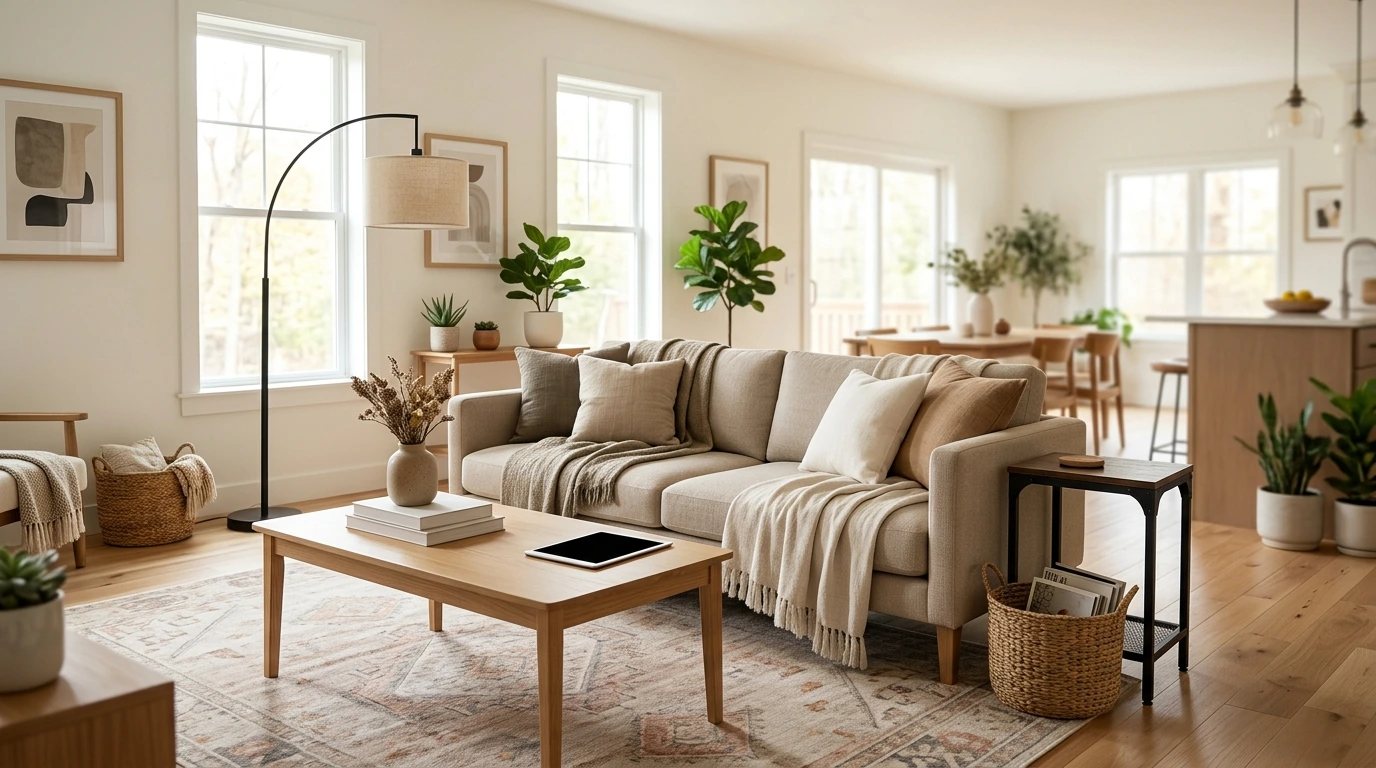
Good interior design starts with choices that suit your daily routines, not just a particular style. Pick a few colors you enjoy, make room for comfortable movement, and add layers that bring warmth and personality. Even small updates—like changing a lampshade or rearranging artwork—can make a space feel more considered.
How can I choose colors that work together?
Start with a simple palette: one main color, a supporting shade, and an accent. Neutrals such as warm white, taupe, or soft gray can provide a flexible base, while green, blue, or rust adds character. Repeat each color in a few places, such as a pillow, a piece of art, or a small accessory, to create a visual connection between items.
What furniture arrangement makes a room feel inviting?
Arrange furniture around a natural focal point, such as a fireplace, window, or conversation area. Leave clear paths between the entrance and the places you use most. In a living room, angle chairs toward one another rather than lining every piece against the walls. A rug can help define the seating area and make the arrangement feel intentional.
How can lighting improve a room?
Use more than one light source. Combine overhead lighting with a floor or table lamp, then add task lighting near a reading chair or work surface. Warm bulbs often make living spaces feel relaxed, while brighter, cooler light can be useful in kitchens and work areas. Dimmers offer flexibility throughout the day.
How do I add texture and personal touches?
Mix materials to keep a room from feeling flat: pair smooth wood or metal with woven baskets, soft throws, linen, or a textured rug. Display a few meaningful objects, books, or framed prints instead of filling every surface. Plants can also bring color and life; choose varieties that suit the room’s light and your care routine.
How can different decor styles feel cohesive?
Let one element—such as a shared color, material, or shape—connect pieces from different styles. For example, a modern lamp and a vintage side table can sit comfortably together when their finishes complement the room. For more ideas, read this guide to mixing and matching home decor for a cohesive look.
FAQ
How can I make a small room feel bigger?
Keep pathways open, choose appropriately scaled furniture, and use mirrors to reflect light. A consistent, light color palette can also help a compact room feel more spacious.
Recommended for you
Create a Luxury Living Room with Simple Design Tips
Sep 29, 2026













Leave a comment