


Touchless Stainless Sensor Trash Can for Clean Kitchens
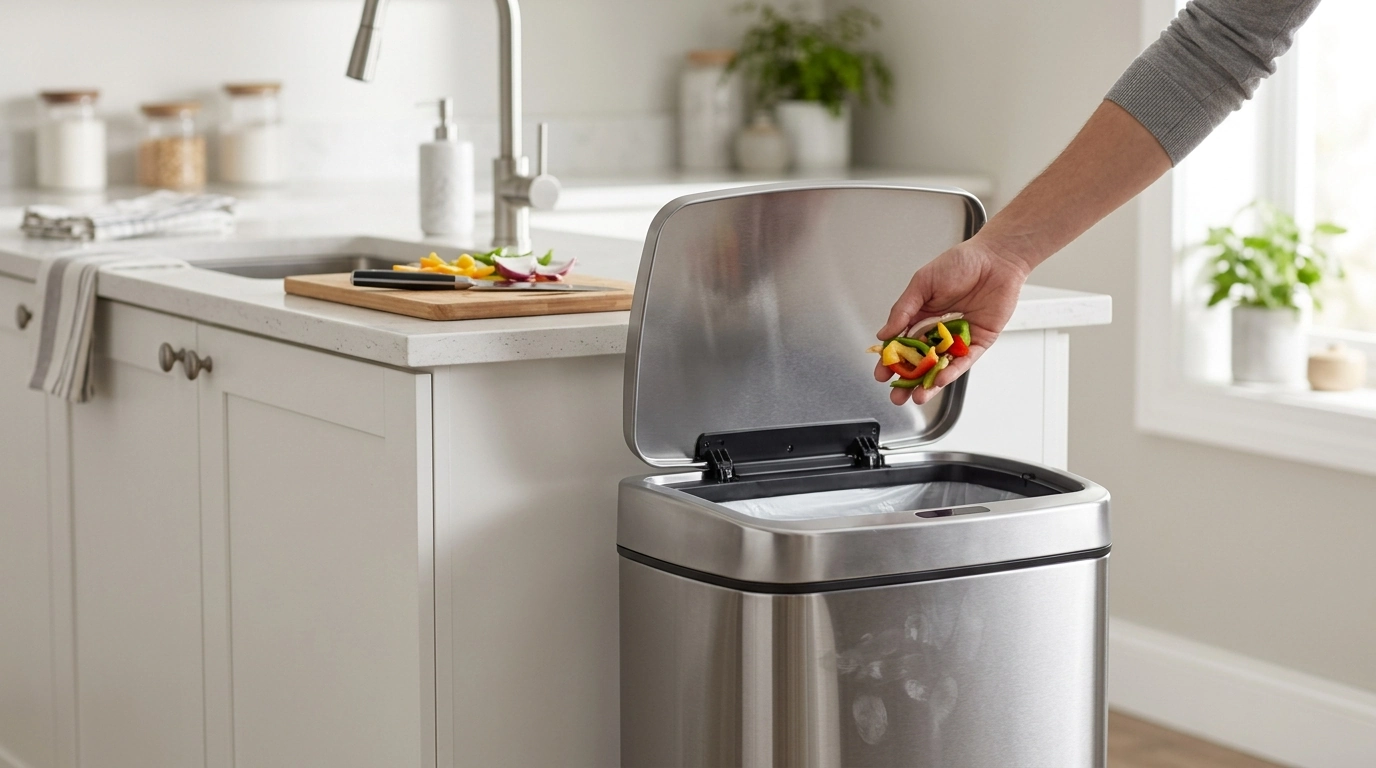
Touchless Stainless Steel Sensor Trash Can: Smart High-Capacity Waste Bin for Cleaner Spaces
A touchless sensor trash can reduces mess, odors, and surface contact in busy kitchens, offices, and shared spaces. By opening with a wave instead of a handle pull, it helps keep hands cleaner during cooking and cleanup—an everyday benefit that pairs well with common hygiene guidance like the CDC’s handwashing basics (Clean Hands Save Lives). This guide covers what matters most—sensor performance, capacity, stainless steel durability, liner fit, power options, and maintenance—so the bin stays convenient long after unboxing.
What a touchless sensor trash can changes in daily use
Once a bin opens without contact, disposal becomes quicker and more consistent—especially when hands are busy or messy. In real homes and workplaces, that translates into a few practical upgrades:
- Cuts down on lid-touching during cooking, cleaning, and food prep, which helps keep hands and nearby surfaces cleaner.
- Speeds up disposal when hands are full (plates, packaging, pet waste, diapers), reducing drips on the way to the bin.
- Helps contain odors by staying closed more consistently than a manual swing-top lid.
- Improves accessibility for kids, older adults, or anyone with limited grip strength.
- Looks more “built-in” than plastic bins, especially in open-plan kitchens and modern offices.
In kitchens, fewer touchpoints also supports everyday contamination-reduction habits emphasized in general food safety guidance (NIH food safety overview).
Key features to look for in a smart high-capacity waste bin
Not all sensor bins feel truly hands-free. A well-designed model focuses on reliability, sealing, and bag control—three areas that directly affect day-to-day satisfaction.
- Responsive motion sensing that opens reliably without repeated waving.
- A lid that closes smoothly and seals well to reduce odor leaks.
- Stainless steel exterior for durability and easier wipe-downs, ideally with a fingerprint-resistant finish.
- A stable base and balanced lid design so it doesn’t tip or scoot when used frequently.
- A liner management system (retainer ring or concealed edge) that keeps the bag from slipping and hides excess liner.
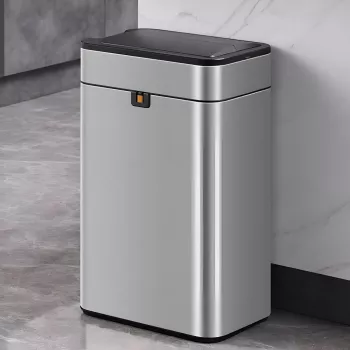
If the goal is a cleaner, faster kitchen workflow, start with a bin designed for frequent use, like the Touchless Stainless Steel Sensor Trash Can – Smart, High Capacity Waste Bin.
Capacity and sizing: choosing a bin that fits the room
“High-capacity” is a win only when the bin fits the room and your liner fits the bin. Before buying, measure the placement area and think through how trash moves through the space.
- High-capacity bins work best for families, meal-prep heavy kitchens, shared offices, and places where trash accumulates quickly.
- Check the bin’s footprint relative to walkways, cabinet doors, and appliance clearances—especially if placed near a pantry or under a counter overhang.
- Consider height: taller bins reduce bending, while shorter bins can fit under counters or in tight utility rooms.
- Match bag size to the can’s capacity to prevent liners from slipping and to avoid overstuffing that can jam the lid.
A good rule: if the bag barely reaches the bottom, it’s more likely to collapse inward when heavier items drop in—leading to leaks and messy change-outs.
Sensor performance and lid behavior that feels truly hands-free
Sensor bins are at their best when they open intentionally and close promptly. The details below are what separate “cool gadget” from “everyday essential.”
Power options and reliability
Stainless steel build: durability, cleaning, and fingerprints
Liners, odor control, and mess prevention
Also keep in mind that certain items should never go into household trash. For quick guidance on safer handling and drop-off options, review the EPA basics on household hazardous waste.
Quick comparison checklist
Touchless Stainless Sensor Bin Checklist
| Category | What to verify | Why it matters |
|---|---|---|
| Capacity & footprint | Bag size compatibility and floor space | Prevents liner slipping and avoids blocking walkways |
| Sensor response | Consistent opening from a practical distance | Reduces repeated waving and missed openings |
| False triggers | Stable behavior near traffic, light, and reflections | Prevents lid cycling and battery drain |
| Lid seal & odor | Tight close and smooth return | Helps keep odors contained between uses |
| Cleaning | Easy-to-wipe stainless exterior; accessible rim | Keeps the bin looking clean and reduces residue buildup |
| Power | Battery access and low-power indicator | Avoids unexpected downtime in busy rooms |
Best places to use a smart high-capacity bin
Setup and everyday maintenance habits
Featured picks for a cleaner-looking space
- Touchless Stainless Steel Sensor Trash Can – Smart, High Capacity Waste Bin — a hands-free upgrade that helps keep kitchens and shared rooms cleaner and more convenient.
- Luxury Gold Crystal Branch Chandelier – Modern Ceiling Pendant Lighting — a bold lighting choice that complements stainless finishes in open-plan kitchens and modern offices.
- Meaningful Conversation Starter Guide | Printable Guide for Dating, Friendship & Networking | Deep Questions & Prompt Examples — a simple add-on for breakrooms, gatherings, or housewarming moments.
FAQ
Why does a sensor trash can open by itself sometimes?
It’s usually caused by placement near foot traffic, direct sunlight, reflective surfaces, steam, or a dirty sensor window. Move the bin to a calmer spot, wipe the sensor area clean, and check batteries to stabilize performance.
How should a stainless steel trash can be cleaned without scratching it?
Use a soft microfiber cloth with mild soap and water, wiping with the grain of the steel. Avoid abrasive pads and harsh cleaners, then dry the surface to prevent water spots.
What bag size works best for a high-capacity touchless bin?
Choose a liner that matches the bin’s stated capacity and reaches the bottom with enough overhang to tie securely. If your bin has a retainer ring or concealed edge, use it to keep the bag from slipping during heavy loads.













Leave a comment