


Resolve Relationship Conflicts: 10 Tips for Better Talks

What are 10 tips for solving relationship conflicts?
Disagreements are a normal part of sharing a life, but the way you handle them can either build understanding or deepen hurt. These practical steps can help you approach a difficult conversation as a team rather than as opponents.
- Choose a good time. Avoid starting a serious discussion when either person is exhausted, rushed, or already upset. If needed, agree on a time to revisit it.
- Focus on one issue. Stay with the concern at hand instead of bringing up every past disagreement. A narrower conversation is easier to resolve.
- Use “I” statements. Describe your experience without blaming: “I feel overlooked when plans change without a conversation” is more constructive than an accusation.
- Listen to understand. Let your partner finish, then summarize what you heard. Ask whether you understood correctly before explaining your own perspective.
- Talk about the specific behavior. Address what happened and how it affected you, rather than labeling your partner’s character or guessing their intentions.
- Take a respectful break. If emotions are too intense to speak calmly, pause and name when you’ll return to the conversation. A break should not become silent treatment.
- Look for the need underneath. A dispute about chores, money, or plans may also involve fairness, security, or feeling valued. Ask what matters most to each of you.
- Own your part. A specific apology can help: name what you did, acknowledge its impact, and say what you’ll try to do differently.
- Agree on a concrete next step. Turn the discussion into a manageable plan, such as dividing a task or checking in before making a shared decision.
- Follow up. Revisit the agreement after a few days to see what is working and what needs adjustment. Small, consistent changes can restore confidence.
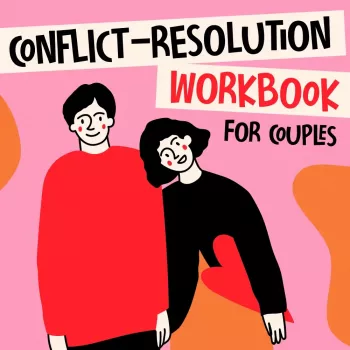
Not every disagreement will end with complete agreement. Aim for a fair, respectful understanding of each other and a workable way forward. If the same conflict keeps escalating or feels impossible to resolve, a qualified couples counselor may help. If you’d like guided exercises for working through difficult conversations, visit the couples conflict workbook guide.
FAQ
What should you do if a conflict keeps repeating?
Look for the unmet need or recurring situation beneath the argument, then agree on one specific change to test. If the pattern continues or conversations feel unsafe, consider support from a qualified professional.
Recommended for you
Fresh Interior Ideas for a More Welcoming Home
Sep 30, 2026
A Clear Guide to the 5 Core Literacy Skills
Sep 30, 2026













Leave a comment