

LED Bulbs in Lava Lamps: Why Most Won’t Work
Can I use an LED bulb in my lava lamp?
Usually, no—at least not as a direct swap for the original bulb. Most classic lava lamps are engineered around an incandescent bulb that produces both light and heat. That heat is what warms the wax to the right temperature so it rises, cools, and falls in the familiar “lava” motion. A standard LED bulb runs much cooler, so the wax often won’t melt properly, leading to sluggish movement or no movement at all.
When an LED can work
An LED can be an option only if the lamp is specifically designed for LED operation or includes a dedicated LED heat solution. Some newer “lava-style” fixtures use LED for ambient glow and create motion through different internal designs rather than relying on bulb heat. If your product manual explicitly lists an LED replacement, follow the exact bulb type, base size, and watt-equivalent guidance provided.
What happens if you try a regular LED anyway
In many traditional lava lamps, a regular LED replacement results in wax that stays clumped at the bottom, forms a single blob, or barely moves. Increasing brightness doesn’t necessarily fix it, because the issue is heat output, not lumens.
Safer alternatives to get the right performance
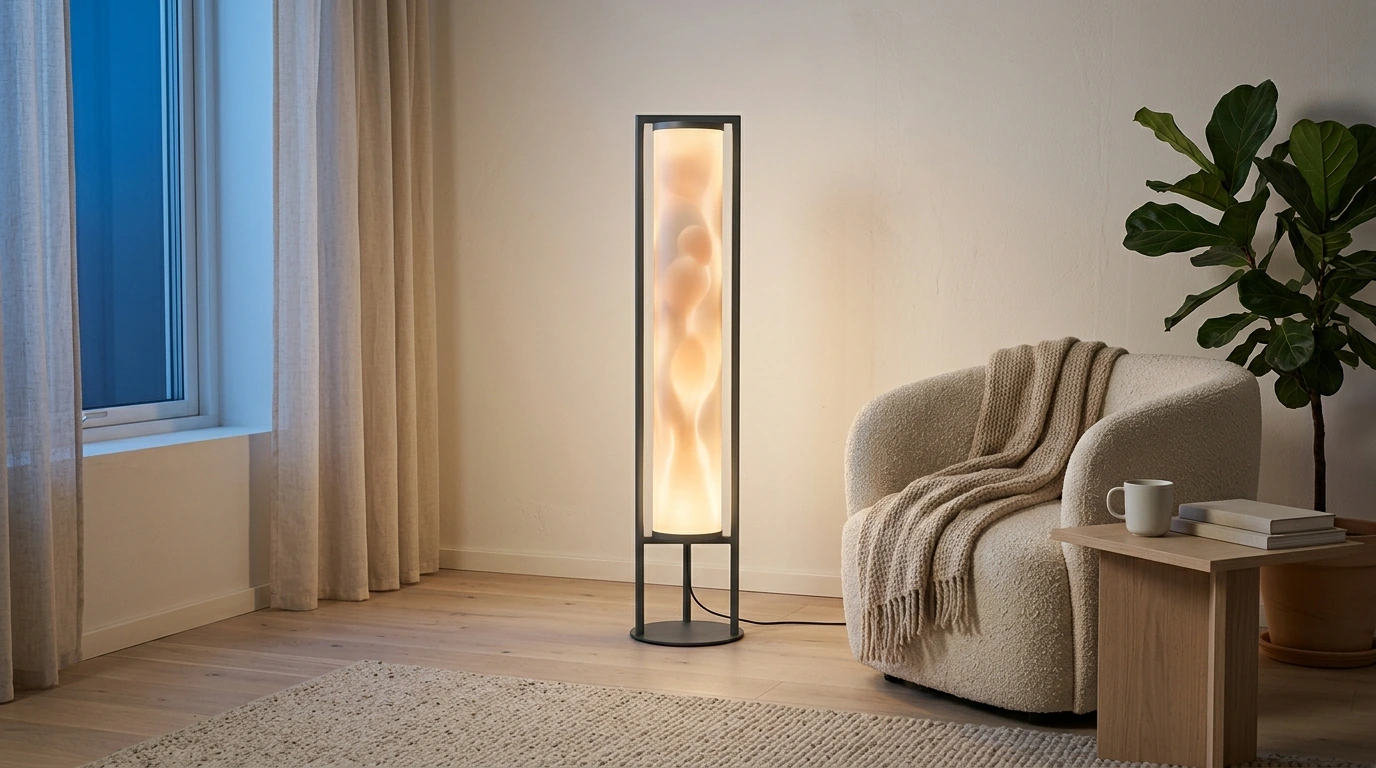
For a traditional lava lamp, stick to the manufacturer-recommended bulb style (often a small appliance incandescent). Use the specified wattage—going higher can overheat the lamp, discolor the liquid, or shorten its lifespan. If your goal is a modern LED-lit statement piece with a lava-inspired vibe, consider fixtures designed from the start for LED ambiance, like the sculptural option in this guide: https://finecollectionclub.shop/guide-nordic-lava-led-floor-lamp-sculptural-ambient-glow/.
Quick compatibility checklist
Before changing anything, confirm the base type (such as E12 or E14), allowed wattage, and whether the lamp needs heat from the bulb. If the lamp’s instructions don’t approve LED, assume it’s not compatible for proper lava flow.
FAQ
Why is my lava lamp wax not moving?
The most common cause is insufficient heat (wrong bulb type or wattage, or a cold room). It can also happen if the lamp hasn’t warmed up long enough; many need a few hours to reach normal motion.
Recommended for you

Lava Lamp Running Cost: Watts, Hours, and Rates
Sep 23, 2026
Are Lava Lamps Worth It? Pros, Cons, Best Uses
Sep 23, 2026













Leave a comment