


Lava Lamp Running Cost: Watts, Hours, and Rates
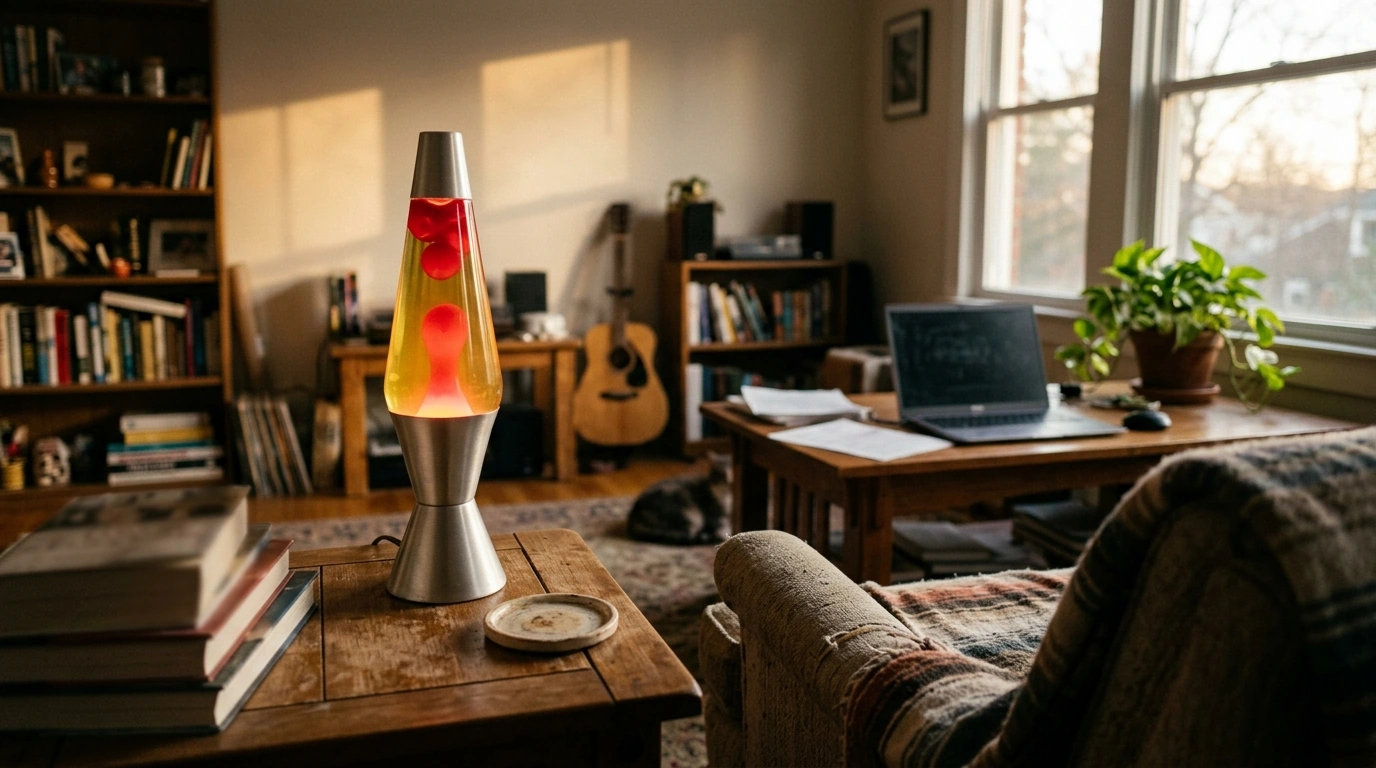
Is a lava lamp expensive to run?
For most homes, a classic lava lamp isn’t expensive to run, but it also isn’t “free” the way a tiny LED night light can be. A traditional lava lamp uses a small incandescent-style bulb (often around 20–40 watts) that provides both light and the heat needed to get the wax moving. That steady heat is what makes it cost more to operate than purely decorative LED lighting.
As a quick reality check: a 30-watt lamp running for 6 hours uses 0.18 kWh (30W ÷ 1000 × 6). At an electricity rate around $0.15/kWh, that’s about $0.03 per night—roughly $1 per month if used most evenings. A higher-watt model or longer run times will raise that number, but it generally remains modest.
What affects the cost most?
Wattage is the biggest factor. Many full-size lava lamps sit in the 25–40W range, while larger statement lamps can use more. Hours of use matter just as much; leaving it on all day can multiply costs and isn’t ideal for lamp longevity. Finally, local electric rates vary widely, so the same lamp can cost noticeably more in high-rate areas.
How to keep running costs low
Run it for a reasonable window—often 4 to 8 hours is plenty for that signature flow and glow. Use the manufacturer’s recommended bulb (the “wrong” bulb can overheat or underheat, wasting energy and compromising performance). If the goal is long-lasting ambient light with minimal power draw, consider modern LED-based sculptural options designed for efficient mood lighting.
For a deeper look at ambient glow styling and a contemporary alternative to classic lava lamps, see this Nordic lava LED floor lamp guide.
For Lava Lamp Running Cost: Watts, Hours, and Rates, the best answer depends on fit, material, care instructions, and how the product will be used day to day.
FAQ
How long should you leave a lava lamp on?
Many manufacturers recommend running a lava lamp for about 4–8 hours at a time. Longer sessions can overheat the contents, making the wax look cloudy and potentially shortening the lamp’s life.
Recommended for you

Lava Lamp Cost Guide: Prices by Size & Style
Sep 22, 2026
LED Bulbs in Lava Lamps: Why Most Won’t Work
Sep 23, 2026













Leave a comment