
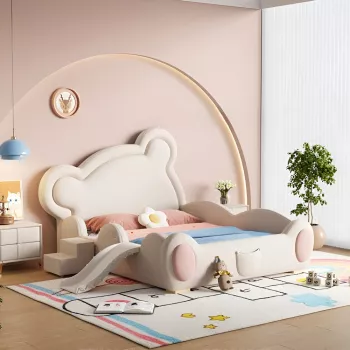

Calm Your Mind: Guided Audio Meditations for Anxiety

Calm Your Mind: A Guided Meditation Audio Course for Anxiety Relief
A calmer mind often starts with a simple, repeatable practice. This guided meditation audio course is designed to help settle anxious thoughts, release physical tension, and build a steady routine that fits real life—whether used as a quick reset during the day or a longer wind-down at night.
Guided audio can be especially helpful when anxiety makes it hard to focus. Instead of “trying to do meditation right,” you get clear cues to return to the present moment—again and again—until calm feels more reachable. If you’re curious about how mindfulness is commonly used for stress support, the American Psychological Association offers a helpful overview of the research and practical benefits at apa.org.
Who this guided series is for
- People experiencing worry loops, racing thoughts, or difficulty switching off
- Anyone looking for structured audio guidance rather than silent meditation
- Beginners who want step-by-step cues and a consistent practice plan
- Busy schedules needing short sessions that still feel complete
- Those pairing meditation with other support (sleep hygiene, therapy, exercise) for a rounded approach
What’s included in the audio course experience
- Guided sessions that prioritize grounding, breath awareness, and gentle attention training
- Anxiety-friendly pacing with simple instructions and frequent reminders to return to the present moment
- Practice variety to reduce boredom and help different nervous-system states (restless, fatigued, tense)
- A repeatable structure that makes it easier to keep going on low-motivation days
Think of it as “training wheels” for the mind: you’re not forced to hold perfect focus. The sessions repeatedly guide attention back to a steady anchor, which can be easier than meditating in silence when your thoughts feel loud.
How guided meditation supports anxiety relief
- Interrupts the stress response by shifting attention from catastrophic thinking to immediate sensory experience
- Encourages slower breathing and softer muscle tone, which can reduce the sense of urgency
- Builds metacognition: noticing thoughts as events in the mind rather than facts that must be solved
- Reinforces a habit loop: cue (stress), routine (audio practice), reward (felt relief), making calm more accessible over time
- Supports emotional regulation by practicing non-judgmental awareness, especially during discomfort
Over time, the goal isn’t to eliminate anxious thoughts on command—it’s to change your relationship to them. That shift alone can reduce the “alarm bell” feeling and make space for more grounded decisions. For additional context on meditation as a simple stress-reduction tool, Mayo Clinic’s guide is a solid reference: mayoclinic.org.
A simple routine that makes the sessions stick
- Pick one consistent anchor time: after waking, lunch break, after work, or pre-sleep
- Start small: 5–10 minutes daily beats 30 minutes once a week
- Use a single location cue (same chair, same corner, same headphones) to make starting easier
- Expect wandering: returning attention is the practice, not a sign of failure
- Track consistency with a basic streak (calendar checkmarks) rather than rating “good” vs “bad” sessions
Quick plan: match a session to the moment
| Situation | Suggested session length | Focus cue | Goal for the session |
|---|---|---|---|
| Morning stress or anticipatory worry | 5–10 minutes | Feel the breath at the nose or chest | Start the day with steadier attention |
| Midday overwhelm | 3–7 minutes | Name 5 things you can see/hear/feel | Reset the nervous system and reduce urgency |
| Evening decompression | 10–20 minutes | Body scan from head to toe | Release accumulated tension |
| Bedtime rumination | 10–15 minutes | Count exhales or use a soothing phrase | Settle the mind and ease into sleep |
Getting the most out of each session
- Listen with comfortable volume; clarity matters more than loudness
- Adopt a posture that feels supported (lying down is fine if the goal is relaxation or sleep)
- Use one “return phrase” when distracted: “back to breathing” or “here, now”
- If anxiety spikes, open the eyes, feel the feet, and orient to the room before continuing
- Repeat favorite tracks; repetition strengthens familiarity and safety
When to use meditation—and when to seek additional help
Guided meditation works best as part of a bigger support system—sleep routines, movement, hydration, therapy when needed, and healthier boundaries with stressors. If you’re new to mindfulness and want a straightforward starting point, the NHS mindfulness basics are a helpful read: nhs.uk.
Product details and where to find it
If you’re ready for a structured, replayable practice, the course is available here: Calm Your Mind: Guided Meditation Series | Audio Course | Anxiety Relief Meditation.
For those working on social anxiety or simply wanting more ease in connection, pairing calm-down practices with gentle conversation structure can help. A supportive companion resource is Meaningful Conversation Starter Guide | Printable Guide for Dating, Friendship & Networking | Deep Questions & Prompt Examples, which offers prompts you can lean on when your mind goes blank.
FAQ
How often should guided meditation be done for anxiety relief?
Daily practice is ideal, even if it’s short. Starting with 5–10 minutes most days is often more effective than longer, occasional sessions because the benefits tend to compound with repetition over weeks.
What if anxious thoughts get louder during meditation?
That can happen, especially early on, because you’re finally pausing long enough to notice what’s already there. Try practicing with eyes open, using grounding (feet on the floor, orienting to the room), shortening the session, and repeating a simple return phrase; if distress persists, professional support is appropriate.
Is it better to meditate in the morning or at night?
Both can work: mornings help set a steadier baseline for the day, while nights help your system downshift for rest. The best choice is the time you can keep consistent, matching the session style to your energy level (short grounding during busy hours, longer body scans before bed).
Recommended for you
Deluxe French Country Double Bed for Cozy Elegance
Aug 18, 2026













Leave a comment