

Home Decor Order of Operations: A Simple Styling Plan

Make Home Decor Simple: A Smart, Stylish Order of Operations
Decorating gets dramatically easier when decisions happen in the right sequence. Instead of chasing trends or buying random “cute” items, start by defining the mood, confirm the layout, lock in a tight color plan, and then layer in lighting, texture, and finishing touches. That approach reduces overwhelm and makes each room feel intentional—even if it comes together over time. For more guidance, see Styled a book by Emily Henderson and Angelin Borsics.
If a step feels stuck, the fix usually isn’t more shopping. It’s going back one step (vision, layout, or palette) and tightening the plan. For further reading, see How to decorate a modern house.
Start With a Clear Vision (Before Buying Anything)
A cohesive room is simply a room that sticks to its own rules. Set those rules first, then let them do the heavy lifting.
1) Pick 3–5 “vision words”
Choose adjectives that describe how the room should feel and function—like calm, bright, grounded, playful, tailored. When you’re torn between options, pick the one that matches your words.
2) Collect 8–12 inspiration images
Save photos that genuinely make you pause, then look for patterns: repeated colors, materials (oak, brass, linen), furniture silhouettes (low-slung vs. traditional), and lighting styles (globe, sconce, chandelier). The overlap is your style direction.
3) Decide what stays (and what can’t)
Write down the pieces that already work—either because you love them or because they’re the correct scale. Then note what must change for function: a too-small rug, a sofa that blocks a pathway, a desk with no storage.
4) Set spending priorities
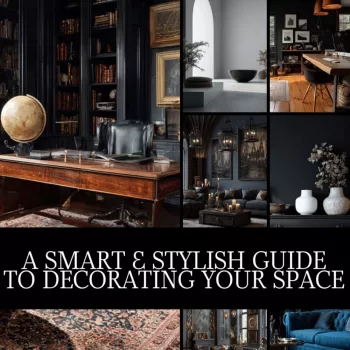
Put the budget into daily-use items first (sofa, mattress, dining seating). Save on accents you can swap later (pillows, frames, small decor). For a structured, step-by-step reference you can keep on hand, consider A Smart & Stylish Guide to Decorating Your Space | Home Decor eBook | How to Decorate Your Home Made Simple.
Make Layout Easy: Measure, Then Place the Biggest Pieces
Layout is the foundation of comfort. When the room flows well, everything else looks better—no matter the style.
Measure the room and key furniture
Note the length/width of the room, plus door swings, windows, vents, and outlets. Measure the largest pieces you own (or plan to buy) so you can place them with confidence.
Anchor with one primary piece
Each room needs a “lead actor”: a sofa in the living room, a bed in the bedroom, a dining table in the dining area. Place that first, then build outward with proper clearance so doors open, chairs slide, and people can move without squeezing.
Use walkway rules for real-life comfort
Keep main paths open, avoid blocking corners you use every day, and don’t shove all seating tight to walls just to “make space.” Often, pulling furniture slightly inward creates a more polished, conversation-friendly arrangement.
Create zones in open spaces
In a studio or open-plan layout, define areas (conversation, dining, work) using rugs, lighting, or open shelving as subtle dividers. It reads intentional and helps the home feel organized.
Choose a Simple Color Plan That Always Looks Cohesive
Start with a neutral base that fits fixed elements
Floors, cabinets, and large tile often dictate whether your neutral should run warm (cream, beige, greige) or cool (crisp white, cool gray). For a classic framework, the 60-30-10 color rule can help you balance dominant, secondary, and accent tones.
Add 1–2 accents plus one metal/wood tone
Balance light and dark
Test in real light
Layer Lighting for Comfort and Style
Use three layers
Plan for ambient (overall), task (reading/cooking), and accent (art/shelves). Architectural Digest’s overview of lighting layers is a useful reference when you’re building a mix.
Choose warm-white bulbs for cozy rooms
Make statement lighting intentional
Pick a fixture that suits the room’s scale and reinforces the style you chose in your “vision words.” For a dramatic focal point in dining rooms or tall entryways, Luxury Gold Crystal Branch Chandelier – Modern Ceiling Pendant Lighting can anchor the space while adding sparkle and warmth.
Room-by-Room Decorating Checklist
| Room | Anchor Item | Lighting Layers to Prioritize | Fastest Upgrade |
|---|---|---|---|
| Living Room | Sofa + rug | Floor/ table lamps + overhead | Pillows and a larger rug |
| Bedroom | Bed + bedding | Bedside task + soft ambient | Layered bedding and curtains |
| Dining Area | Table + chairs | Overhead + candles/accent | Statement centerpiece |
| Entryway | Console or hooks | Sconce/ lamp + mirror bounce | Mirror and catch-all tray |
| Home Office | Desk + chair | Task lamp + soft ambient | Cable management + art |
Use Texture to Make Minimal Decor Feel Finished
Mix at least three textures per room
Add warmth with textiles
Keep patterns simple
Match materials to your lifestyle
Style Like a Pro: The 5 Finishing Touches
1) Hang art at the right height
2) Add greenery for movement
3) Keep surfaces curated
4) Use mirrors to brighten corners
5) Finish with scent and sound
Avoid Common Decorating Mistakes (and Easy Fixes)
A Simple Path to a Pulled-Together Home (Week-by-Week)
FAQ
What is the easiest way to decorate a room without feeling overwhelmed?
Follow a simple order: vision words, layout, color palette, anchor pieces, then accents. Focus on one room at a time and use a short checklist so each purchase has a job to do.
How can a small space look more stylish without adding clutter?
Choose fewer, larger statement elements like a well-sized rug, strong art, and good lighting. Keep a consistent palette, use closed storage, and rely on texture (curtains, throws) instead of lots of small knickknacks.
What should be purchased first when decorating a home?
Start with anchor pieces used daily: sofa, bed, and dining seating. Next, handle lighting, then add rugs and curtains; save accessories for last so they match the finished palette.
Recommended for you

Calm Your Mind: Guided Audio Meditations for Anxiety
Aug 19, 2026













Leave a comment