

Modern Home Decor Trends: Warm Minimalism & Sustainability

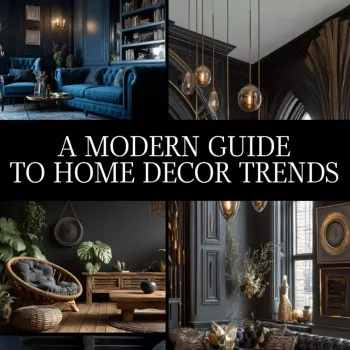
A Modern Guide to Home Decor Trends: Stylish Interiors, Trendspotting, and Sustainable Design Inspiration
Fresh interiors come from noticing what’s changing—materials, colors, layouts, and the values behind them. Today’s “modern” look isn’t a single rigid style; it’s an approach that favors clarity, comfort, and intentional choices. Below is a practical guide to the most influential directions right now, plus an easy way to test trends in a real home (without overbuying), and smart sustainability moves that still feel elevated.
What “modern” looks like right now (and why it keeps evolving)
Modern decor has shifted from a strict, gallery-like minimalism into something warmer and more livable. Clean lines still matter, but they’re softened by texture, curved silhouettes, and a focus on how rooms actually function day to day.
- Edited rooms, not empty rooms: fewer objects, better quality, and pieces with breathing room.
- Warmth + clarity: tactile textiles (linen, wool, bouclé), matte finishes, and gentle shapes that reduce visual “sharpness.”
- Function drives form: flexible layouts, integrated storage, and lighting that supports routines (work, relaxing, hosting).
- Sustainability becomes visible: natural grain, honest finishes, repairable construction, and handmade variation are treated as design features—not flaws.
Trendspotting without the overwhelm: a simple system
Trends feel chaotic when they’re consumed as random inspiration. They get easier when treated like data: repeated signals across multiple places, paired with a clear reason they’re showing up.
- Start with signals, not hype: notice repeating shapes, materials, and colors across retail, interiors publications, hospitality design, and local maker markets.
- Track the “why”: comfort, small-space living, climate concerns, craftsmanship, and tech-driven lifestyles all shape what’s popular.
- Use two lists: “Try now” (low-cost swaps) vs. “Commit later” (big-ticket pieces).
- Apply a personal filter: keep trends that match how the room is used, the architecture, and your maintenance tolerance.
- Capture it in one page: a mini mood board with palette, key textures, metals, and one statement element to anchor the room.
Fast trend filter for real homes
| Trend element | Best low-risk test | When to invest |
|---|---|---|
| Color direction | Paint a small wall or use removable wallpaper | When it flatters existing floors and fixed finishes |
| Material (wood/stone/metal) | Add trays, side tables, or lamp bases | When it performs well in your climate and lifestyle |
| Pattern scale | Pillow covers or a small rug | When it works from multiple viewing distances |
| Lighting mood | Plug-in lamps with warm bulbs and dimmers | When a room’s layout is stable for 2+ years |
| Furniture silhouette | One accent chair or ottoman | When it improves comfort and circulation |
Key decor trends to know: materials, color, and form
Instead of chasing a dozen micro-trends, focus on a handful of enduring shifts that can be translated across budgets and home styles.
- Warm minimalism: neutral foundations with high-touch textures—think linen drapery, wool throws, matte ceramics, and a few curved edges for softness.
- Biophilic cues: natural woods and stone, plants, and daylight-friendly layouts that reduce visual noise.
- Quiet pattern returns: tonal stripes, softened geometrics, and nature-inspired motifs used in controlled doses (one rug, one set of pillows, one wallpaper moment).
- Mixed metals—with restraint: pair brushed or aged finishes, but choose a dominant tone so the room stays cohesive.
- Handcrafted character: artisan glazes, imperfect edges, and visible joinery add depth without clutter.
Sustainable design that still feels luxurious
- Choose longevity first: prioritize solid construction and comfortable proportions over novelty.
- Healthier materials matter: consider low-VOC paints and finishes for indoor air quality (see the U.S. EPA overview on VOCs: https://www.epa.gov/indoor-air-quality-iaq/volatile-organic-compounds-impact-indoor-air-quality).
- Shop circular: vintage and refurbished pieces reduce waste and bring one-of-a-kind character.
- Look for responsible sourcing: when buying wood products, certifications like FSC can be a helpful signal (Forest Stewardship Council: https://fsc.org/en).
- Energy-smart lighting: warm LEDs plus dimmers cut consumption while improving ambience (ENERGY STAR LED guidance: https://www.energystar.gov/products/lighting_fans/light_bulbs).
Room-by-room inspiration: quick upgrades that change the feel
Living room
Bedroom
Kitchen
Bathroom
Entryway
Lighting as the finishing layer: mood, scale, and sparkle
What’s inside the digital eBook and how to use it
If you prefer a guided, organized approach to updating your home, A Modern Guide to Home Decor Trends (Digital eBook) gathers today’s key directions and translates them into decisions you can actually make—palette building, trend filtering, and simple “edit passes” that keep rooms from feeling overdone.
Design pairings from the shop (optional add-ons)
- One dramatic upgrade: a sculptural fixture can transform a simple room. For a bold modern moment in a dining area, foyer, or living room with the right ceiling height, consider the Luxury Gold Crystal Branch Chandelier – Modern Ceiling Pendant Lighting.
- Atmosphere supports connection: modern homes shine when layouts encourage conversation and comfort. Pair a refreshed room with the Meaningful Conversation Starter Guide (Printable) for hosting nights, dinners, or low-key weekends in.
FAQ
How can home decor trends be used without making a space feel dated?
Keep the foundation classic (floors, large upholstery, and main wall color), then bring trends in through reversible layers like textiles, lighting, art, and smaller furniture. Limit each room to 1–2 trend elements and test before investing in anything hard to change.
What are the easiest sustainable upgrades that still look high-end?
Start with low-VOC paint, warm LED lighting on dimmers, and natural-fiber textiles where practical. Add one well-made vintage piece and prioritize repairable, solid materials so the room looks richer with fewer, better items.
How do I choose a color palette for a modern interior?
Begin with a fixed element (flooring, counters, or a large rug), then choose a neutral base, one mid-tone, and one accent color. Repeat metals and wood tones for cohesion, and test paint and fabric samples in morning and evening light before committing.













Leave a comment