


Find the Right Conflict Resolution Worksheet for Couples

When a disagreement keeps circling back, a worksheet can give you and your partner a calmer way to sort through what happened. The most useful therapy worksheets for conflict resolution offer clear prompts for listening, naming needs, and agreeing on a next step—not just a place to record who said what.
What makes a conflict-resolution worksheet useful?
Look for exercises that help both people slow down and describe a conflict without blame. A helpful worksheet may invite you to identify the situation, name your feelings, and explain what mattered to you. Prompts for reflecting back what you heard can make room for understanding before either person jumps into defending a position.
Worksheets are most practical when they move from reflection to action. Look for space to identify one specific request, consider each person’s needs, and agree on a manageable repair step. Broad prompts such as “communicate better” are less useful than a concrete plan you can revisit.
Which worksheet topics can support repair?
Choose exercises that fit the challenge you’re facing. A trigger-and-response worksheet can help you notice when a conversation starts to escalate. A listening or perspective-taking exercise can help you check whether you understood your partner’s concern. If trust has been strained, prompts about accountability, repair, and rebuilding trust may offer a more relevant starting point than a general argument log.
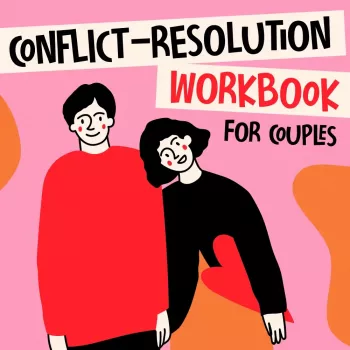
For a guided option focused on couples, explore our printable couples conflict workbook guide for repair and rebuilding trust. Choose an exercise that feels manageable for both of you, and work through one topic at a time.
How should you use worksheets together?
Set aside a calm time rather than filling out a worksheet in the middle of an argument. Agree to take turns, speak from your own perspective, and pause if either of you feels overwhelmed. You can complete a prompt individually first, then share your answers and look for one point of agreement.
End by writing down a small next step and when you’ll check in about it. If conversations feel unsafe or repeatedly become hurtful, pause the exercise and seek support from a qualified therapist. A worksheet can guide reflection, but it isn’t a substitute for professional care.
How do you choose the right worksheet?
Start with the pattern you want to change: escalation, misunderstanding, unresolved hurt, or difficulty making repairs. Pick a printable with straightforward language and prompts you can answer honestly. The best fit is one that helps you turn a difficult conversation into a specific, respectful action.
FAQ
How can I keep a disagreement from escalating at home?
Agree on a pause signal, take time to settle, and return to one issue at a time. When you resume, describe your own feelings and needs without insults or accusations.














Leave a comment