


Best Telescope for Star Watching: 6–8″ Sweet Spot
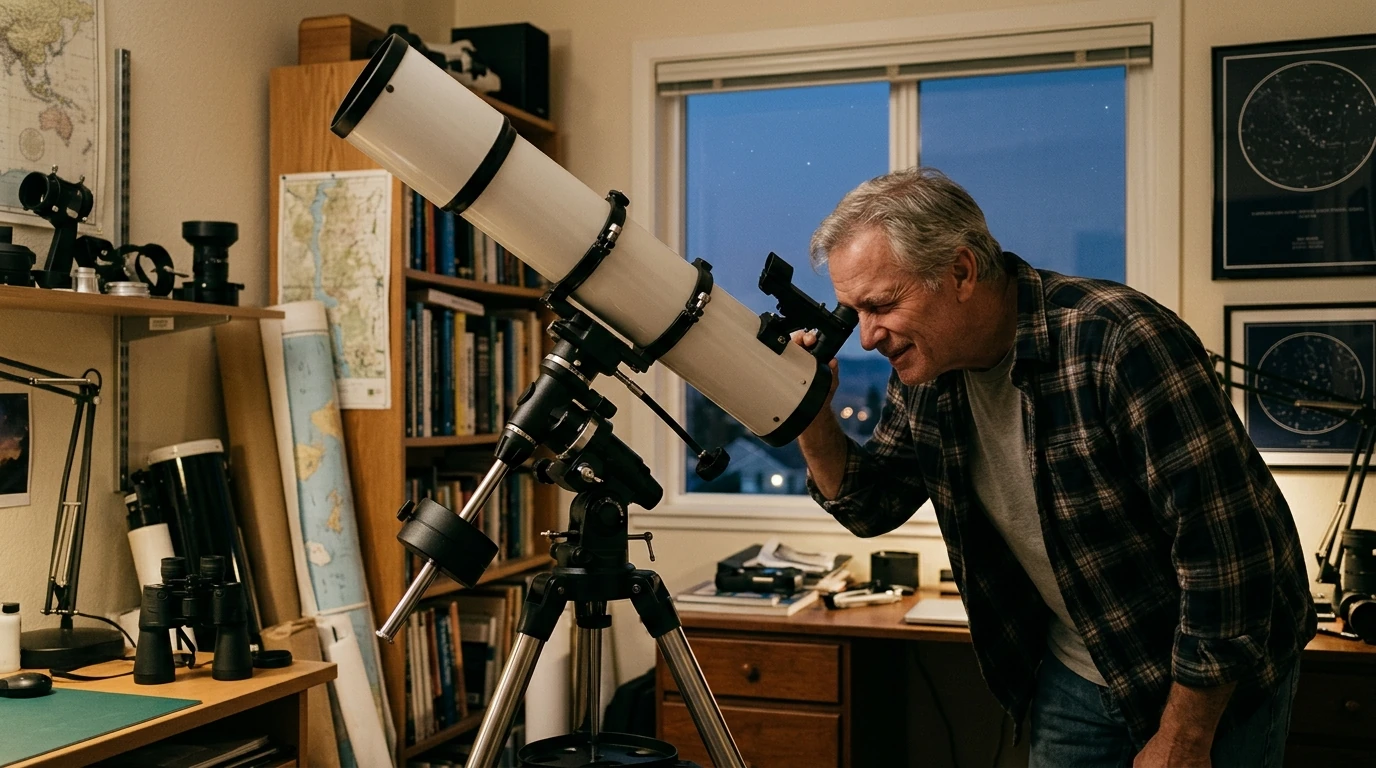
What is the best telescope for looking at stars?
The best telescope for looking at stars is the one that gathers enough light to show pinpoint star colors and splits close double stars, while staying easy enough to use that you’ll set it up often. In most cases, our team recommends starting with a telescope in the 6–8 inch aperture range on a stable mount. That combination delivers a big jump in star brightness and resolution without turning setup into a chore.
What matters most for star viewing
Aperture is the headline spec: larger mirrors or lenses collect more light and resolve tighter star pairs. For many backyards, a 6–8 inch reflector (like a Dobsonian) is the best value for bright, crisp stars and easy sweeping across the sky.
Mount stability is just as important. If the view shakes every time you focus, stars won’t look sharp even in a great optical tube. For manual observing, a Dobsonian base is naturally steady. If you prefer tracking and computer help, choose a solid GoTo alt-az or equatorial mount rated for the scope’s weight.
GoTo vs. manual: which is “best” for you?
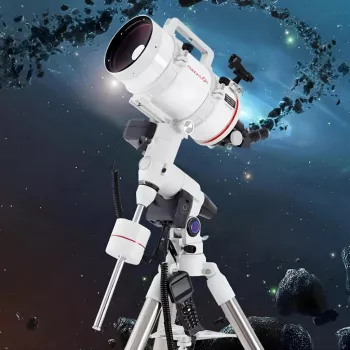
If you enjoy learning constellations and moving from star to star, a manual Dobsonian is straightforward and fast. If you want stars to stay centered at higher magnification—or you observe under light pollution where star-hopping is tougher—a GoTo telescope can be the better choice because it finds targets quickly and tracks them for comfortable viewing.
GoTo performance depends on alignment. Our step-by-step setup and alignment walkthrough is here: GoTo telescope setup, alignment, and what you’ll see.
Recommended “sweet spot” setups
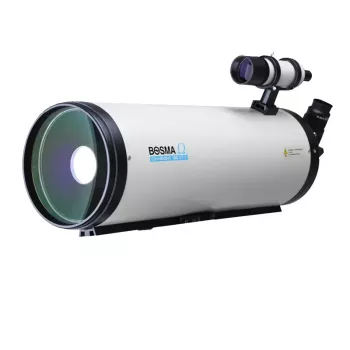
For the widest range of star targets: a 6–8 inch Dobsonian reflector for maximum aperture per dollar and a steady platform. For convenience and tracking: a 127–190mm GoTo telescope on a properly rated mount, especially if you want stars to remain centered while you fine-tune focus and magnification.
Whichever route you take, pair it with a comfortable finder (red-dot or optical), a medium-power eyepiece for star fields, and a higher-power eyepiece for double stars.
FAQ
How do I align a GoTo telescope for accurate tracking?
Level the tripod, enter correct time and location, then choose two bright alignment stars that are well separated in the sky. Center each star carefully using slower slewing speeds to improve pointing accuracy.













Leave a comment