


Maximum Drone Flight Time: What to Expect & Improve It
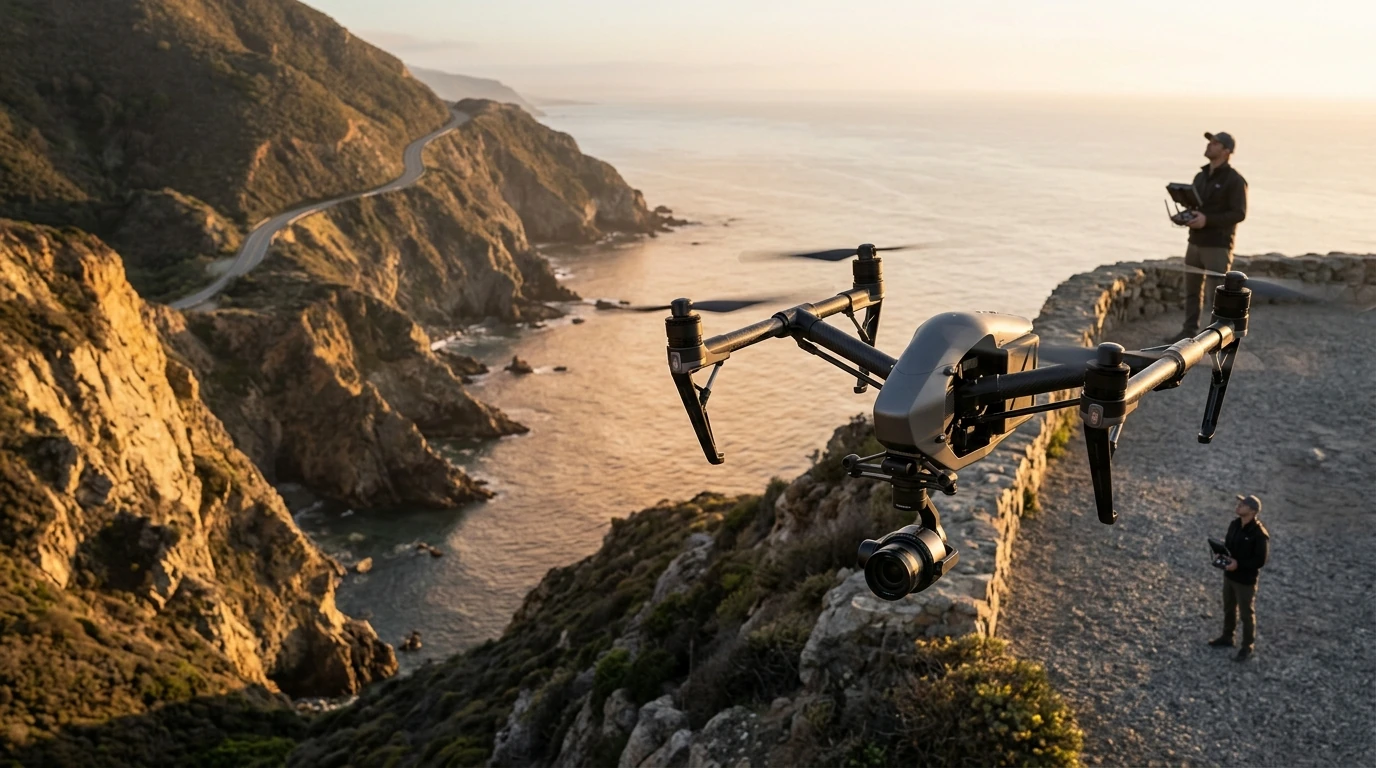
What is the maximum flight time of a drone?
The maximum flight time of a drone depends on the drone’s size, battery capacity, motor efficiency, propeller design, payload weight, and weather conditions. For most consumer camera drones, real-world flight time commonly lands in the 20–40 minute range per battery under normal conditions. High-end consumer models can sometimes reach the mid-to-high 40-minute range in ideal scenarios, while specialized long-endurance platforms (typically larger and more expensive, often with fixed-wing designs) can stay aloft significantly longer.
It’s important to distinguish between advertised flight time and what you’ll see in practice. Manufacturers usually test in calm wind, near sea level, with a fresh battery and conservative flight profiles. In everyday use, headwinds, cold temperatures, aggressive acceleration, frequent hovering, and climbing can shorten time noticeably. Adding accessories—like heavier prop guards, strobes, or filters—can also reduce endurance, especially when paired with higher-altitude flying.
What limits a drone’s maximum time in the air?
The biggest limiter is battery energy density: lithium-based packs can only store so much energy for a given weight. Beyond that, aerodynamics and efficiency matter. A drone that’s optimized for stable filming may sacrifice some endurance compared with a platform designed primarily for range or loiter time.
How can you get closer to the maximum flight time?
To maximize flight time, fly smoothly, avoid fast sport-mode bursts, keep the drone as light as possible, and plan routes that minimize fighting the wind. Warm batteries (within safe operating guidelines), clean props, and properly maintained batteries can also help. For a practical, step-by-step look at how to extend real-world flight time—especially for advanced camera drones—see the detailed guide here: extended flight time guide.
FAQ
How can I make my drone battery last longer?
Use smooth, steady inputs, avoid high-speed bursts, and reduce extra weight like prop guards when they aren’t needed. Fly in mild weather, keep batteries properly stored, and replace aging packs that sag under load.
Recommended for you
Best 30-Minute Flight Time Drones (Real-World Tips)
Sep 20, 2026
Most Expensive Camera Drone: What Pros Actually Buy
Sep 20, 2026













Leave a comment