


Most Expensive Camera Drone: What Pros Actually Buy
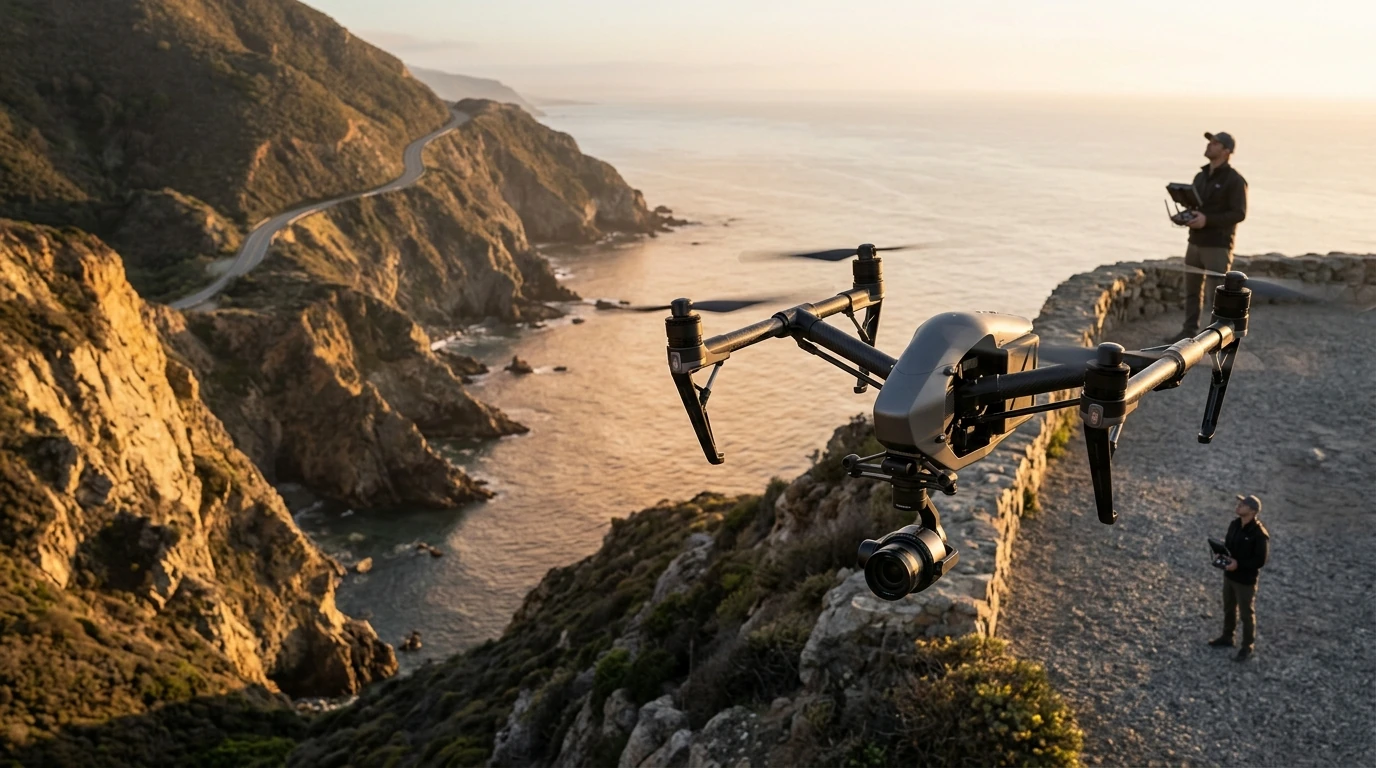
What is the most expensive camera drone?
The most expensive camera drone is typically a top-tier cinema or enterprise platform that pairs a high-end airframe with a premium gimbal camera system. In real-world pricing, that usually means DJI’s flagship professional setups—especially the Inspire 3 package—when configured with pro media, extra batteries, premium lenses, and production accessories. In the enterprise category, fully built-out platforms like the DJI Matrice series with specialized payloads (thermal, zoom, mapping) can also reach very high totals depending on sensors and software.
It’s important to separate “most expensive” into two buckets: (1) the aircraft bundle sold as a ready-to-fly filmmaking kit, and (2) modular industrial drones where the payload can cost as much as (or more than) the drone. Filmmakers often pay more for the image pipeline—dynamic range, codecs, lens options, and reliable on-set workflow—while industrial buyers pay for sensors, accuracy, and mission capability.
Why do some camera drones cost so much?
High prices usually come from a combination of larger, more powerful motors, advanced stabilization, stronger transmission systems, and cameras designed for professional color grading and post-production. Add in redundancy features, longer-range links, higher-capacity batteries, and pro support, and the total climbs quickly.
Is a premium “expensive” drone worth it for most shoppers?
For many people, no—because the biggest gains are in professional workflows rather than casual use. If your priorities are sharp 4K/5.1K footage, HDR, and dependable flight time, there are drones that deliver excellent results without stepping into cinema-rig budgets.
For a practical breakdown of features that matter most—like 4K HDR capture, Hasselblad color science, and extended flight time—see the full guide here: https://finecollectionclub.shop/guide-4k-hdr-hasselblad-drone-extended-flight-time-guide/.
FAQ
What should I look for in a drone camera besides price?
Prioritize sensor size, bitrate/codec options, stabilization quality, and reliable flight time. Also check obstacle avoidance and transmission stability, since they directly affect how usable your footage will be.












Leave a comment